
What You Get on Every Delivery
Live GPS tracking
Live GPS tracking shared automatically with stakeholders
Signture & Proof of delivery
Photo + signature POD delivered same day
Trained & insured Couriers
W-2 or vetted IC couriers — never app-based gig drivers
Read More About Our Tracking Services
A "failed delivery" sounds like one event, but it's actually a category covering at least eight different specific failure modes — and the prevention, recovery, and accountability are different for each. Understanding which failure mode you're dealing with is the first step to fixing it. Failure mode 1: Address problem. Wrong street number, wrong unit, wrong borough, missing apartment number — the carrier shows up at an address that doesn't match the actual destination. Common with e-commerce orders where the customer entered the address quickly, with rush bookings where dispatch transposed digits, and with generic location references ("the warehouse on the West Side") that didn't get verified. Failure mode 2: Recipient not available. The package needs a signature, the recipient isn't home, the carrier leaves a notice. For commercial deliveries, the receiving manager is at lunch, in a meeting, on a job site. For residential deliveries, the recipient is at work. Standard parcel carriers handle this with a redelivery attempt the next day; same-day couriers usually attempt to coordinate live with the recipient.
Failure mode 3: Building access denied. Class A commercial building requires COI on file, the carrier doesn't have one, the doorman or freight desk turns the truck away. Manhattan high-rise residential requires advance freight elevator booking, no booking exists, the building won't run the elevator. The truck can't get past the front desk. Detail at our Certificate of Insurance guide and Manhattan high-rise delivery guide. Failure mode 4: Wrong vehicle. Pallet delivery shows up in a sedan. Liftgate delivery shows up without liftgate. Furniture delivery shows up with single driver instead of two-person crew. The vehicle physically can't complete the offload. Detail at our liftgate delivery guide. Failure mode 5: Window missed. Receiver had a 1-3 PM dock window; truck arrived at 4:30 PM; dock is closed. Construction site had an 8 AM-12 PM materials window; truck arrived at 1 PM; site won't accept after the cutoff. Trade show had a 6-7 AM marshaling window; truck arrived at 9 AM; show floor is locked.
Failure mode 6: Item damaged in transit. The package arrives but the item is damaged — broken, crushed, soaked, frozen. Different problem than "didn't arrive" but the recovery process overlaps. Failure mode 7: Carrier system error. Tracking shows "out for delivery" for 8 hours, then "delivered" appears, but the recipient never received it. Some failures are documentation errors; some are the package landed at the wrong address; some are theft. Standard parcel carriers handle these through claims processes that can take weeks. Failure mode 8: Carrier cancellation. Marketplace courier app accepted the booking, no driver actually accepted the run, the booking expires, you find out when you check the tracking 4 hours later. Common failure mode with marketplace apps. Each of these failure modes has specific preventive measures and specific recovery steps. The rest of this guide walks through both — but the short version: most failed deliveries are preventable with better booking discipline, and the carriers that fail at the standard failure modes are usually the carriers that don't fix the underlying booking process. For broader context on what FedEx and UPS do when they lose your package, see our what to do when FedEx loses your package guide.
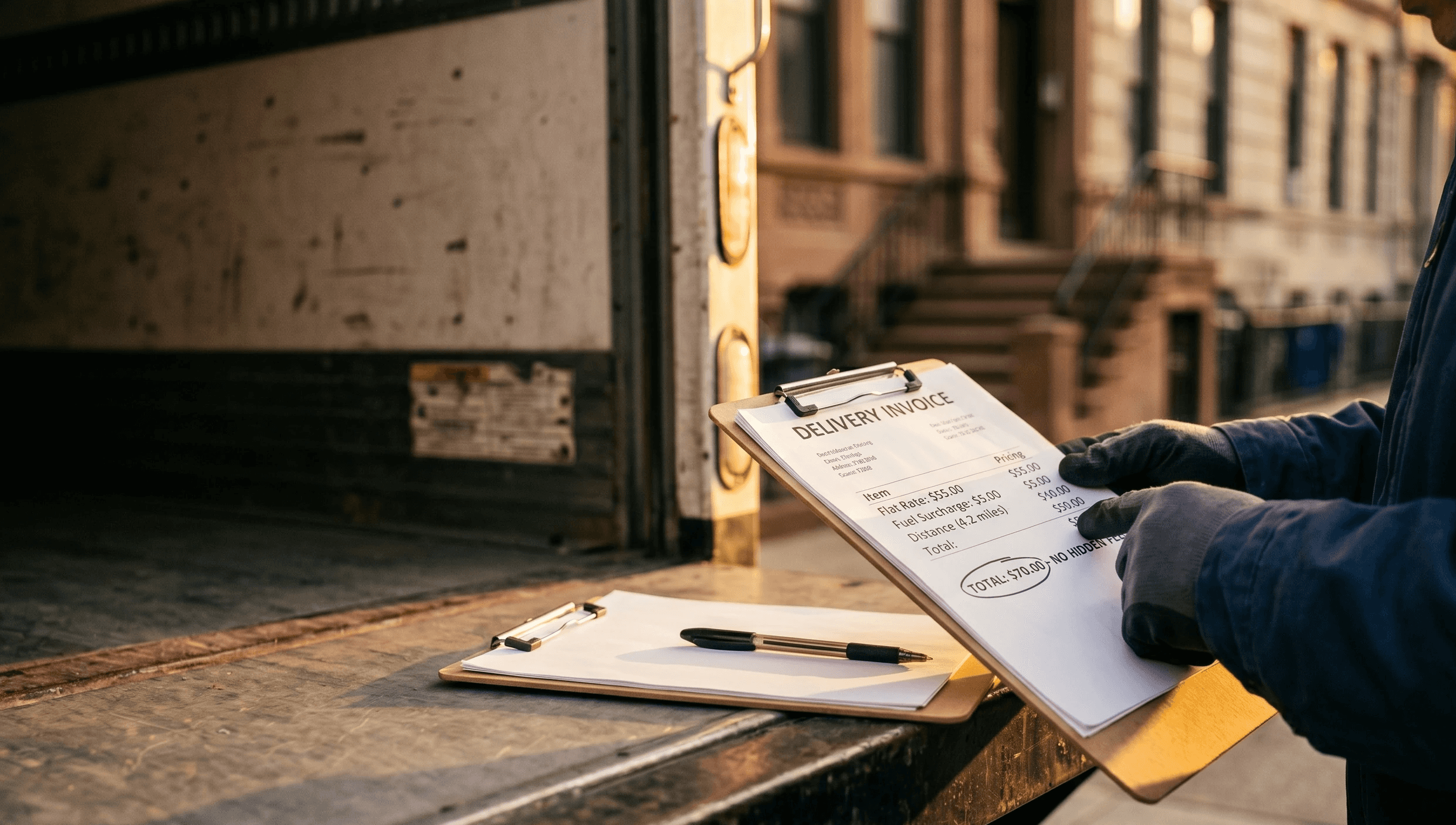
Sender side, immediate response. Call dispatch. (Not the chat bot. Not the email queue. The actual phone number.) Get the specific failure reason from the driver via dispatch — wrong address? Building access denied? Recipient not available? Vehicle problem? Each requires different next steps. For address failures: verify the correct address with the recipient, update the dispatch record, redispatch the same driver if the new address is in range or send a fresh pickup if the original truck has moved on. For recipient-not-available failures: coordinate with the recipient on a hold-for-pickup at our facility, redelivery to an alternate address, or rescheduled redelivery for the next available window. Same-day couriers typically don't auto-redeliver next day the way standard parcel carriers do — same-day economics require live coordination. For building access failures: if the issue is COI, we issue the COI and redeliver same day if time allows; if the issue is freight elevator booking, we coordinate the booking and redispatch with the corrected window; if the issue is specific to the receiving building's protocols, we coordinate with property management.
Recipient side, immediate response. If you're expecting a delivery and it didn't arrive when expected: check the tracking link first (live GPS tracking should show driver location and ETA in real time on a working same-day platform). If the tracking shows "delivered" but you don't have the package: check with the doorman, the front desk, the building's package room (some buildings hold deliveries in central pickup), neighbors who might have signed for it, the building's loading dock (some buildings hold commercial deliveries at the dock and notify tenants). If the package was photographed at delivery (standard PoD on our service), the photo is in the dispatch record and shows where the driver actually placed it. If the package can't be located after a real search, file a missing-package report with dispatch immediately — the GPS track shows exactly where the driver was at the time of the marked-delivered event, and that's the basis for any further investigation.
For damaged-in-transit deliveries: photograph the damage immediately, before signing anything. Refuse delivery if the damage is severe enough to make the item unusable; the carrier returns the package to the sender for replacement. If the damage is minor and the item is still usable, sign with damage notation ("received damaged" with specifics) and file a damage claim with the carrier — your right to claim depends on documenting the damage at receipt, not after the fact. For deliveries that "should have arrived but didn't": always check tracking first; tracking that shows the package in transit beyond expected time may indicate a carrier delay (weather, traffic, system issue) that resolves on its own; tracking that shows "delivered" but no package present requires the GPS-coordinate verification described above. For broader tracking context, see our delivery tracking explained guide.
Learn More On Our Quality Assurance

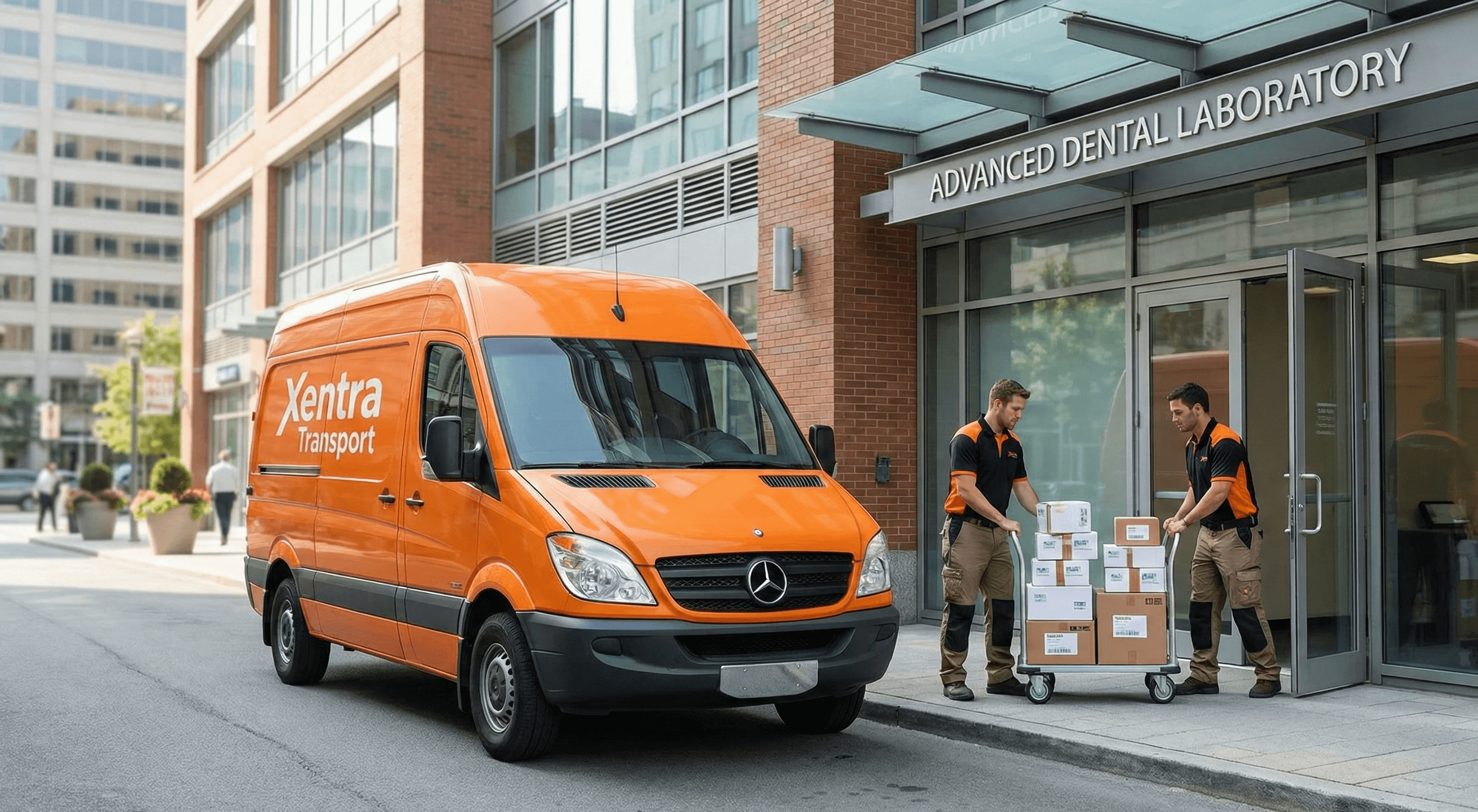

The 90% prevention principle. About 90% of failed deliveries are preventable with better booking discipline. The remaining 10% are weather, vehicle mechanical, traffic incidents, and other genuinely unpredictable events. Focus the prevention work on the 90%. Booking checklist: verified pickup address with contact name and phone (not just the company's main number); verified drop address including suite, floor, apartment number; verified recipient name and phone (call them at booking if you haven't confirmed they're expecting the delivery); confirmed vehicle requirement (cargo van, Sprinter, box truck, liftgate yes/no, two-person crew yes/no); confirmed building access requirements at destination (COI required, freight elevator booking required, doorman protocol, dock vs. street); confirmed time window (when can the receiver actually accept the delivery, and what's their cutoff). Send dispatch this information at the time of booking, not when the truck is already in motion. The booking process is where prevention happens; the in-transit phase is where recovery happens; the in-transit phase is more expensive than the booking phase by an order of magnitude.
Specific prevention measures for the most common failure modes. For address problems: copy-paste the address from the recipient's email or text message; don't transcribe by ear; verify with a quick reply or phone call before booking. For recipient-not-available: text or call the recipient with a 30-60 minute ETA window before the driver arrives; this single step prevents most "recipient not home" failures. For building access: confirm COI requirements before booking, send dispatch the building's COI template, schedule freight elevator booking before the truck rolls. For high-rise commercial deliveries, reference our Manhattan high-rise delivery guide and COI guide. For wrong-vehicle failures: confirm the load size, weight, and offload requirements at booking; if you're unsure about vehicle sizing, send dispatch a photo and the destination type. For window missed: confirm the receiver's hard cutoff time (when does their dock close, when does the freight elevator window end, when does the construction site stop accepting deliveries, when does the courthouse close); work backward to your latest possible pickup time.
Carrier-side prevention factors. Asset-based fleet (in-house drivers, owned vehicles, in-house dispatch) prevents marketplace-app failure modes. Live GPS tracking on every vehicle prevents "lost driver" failures. Photo PoD at every step prevents most "where's my package" failures. Recipient signature verification prevents wrong-recipient failures. Same-driver custody on legal, medical, and high-value deliveries prevents chain-of-custody failures. Building COI workflow prevents access failures. Two-person crew availability prevents wrong-vehicle failures. If your current carrier is generating regular failed deliveries, the underlying problem is usually structural — they don't have the operational discipline to prevent failures, and adding more delivery attempts to a broken process doesn't fix the process. The right response is usually to switch carriers, not to add another redelivery attempt to a system that doesn't work. Detail in our why NYC businesses are switching courier companies in 2026 blog and our courier service vs gig apps NYC blog. For pricing context across reliable carrier alternatives, see our 2026 NYC courier pricing guide; for new-business setup with delivery built in correctly from the start, our new business delivery setup guide.
See Why They Choose Us
NYC Same-Day Delivery That Actually Lands. Photo PoD on Every Job.
Book Reliable Delivery
Meet Your Industry Needs Call Us


