



Overcoming the "Curbside" Barrier in Urban Supply
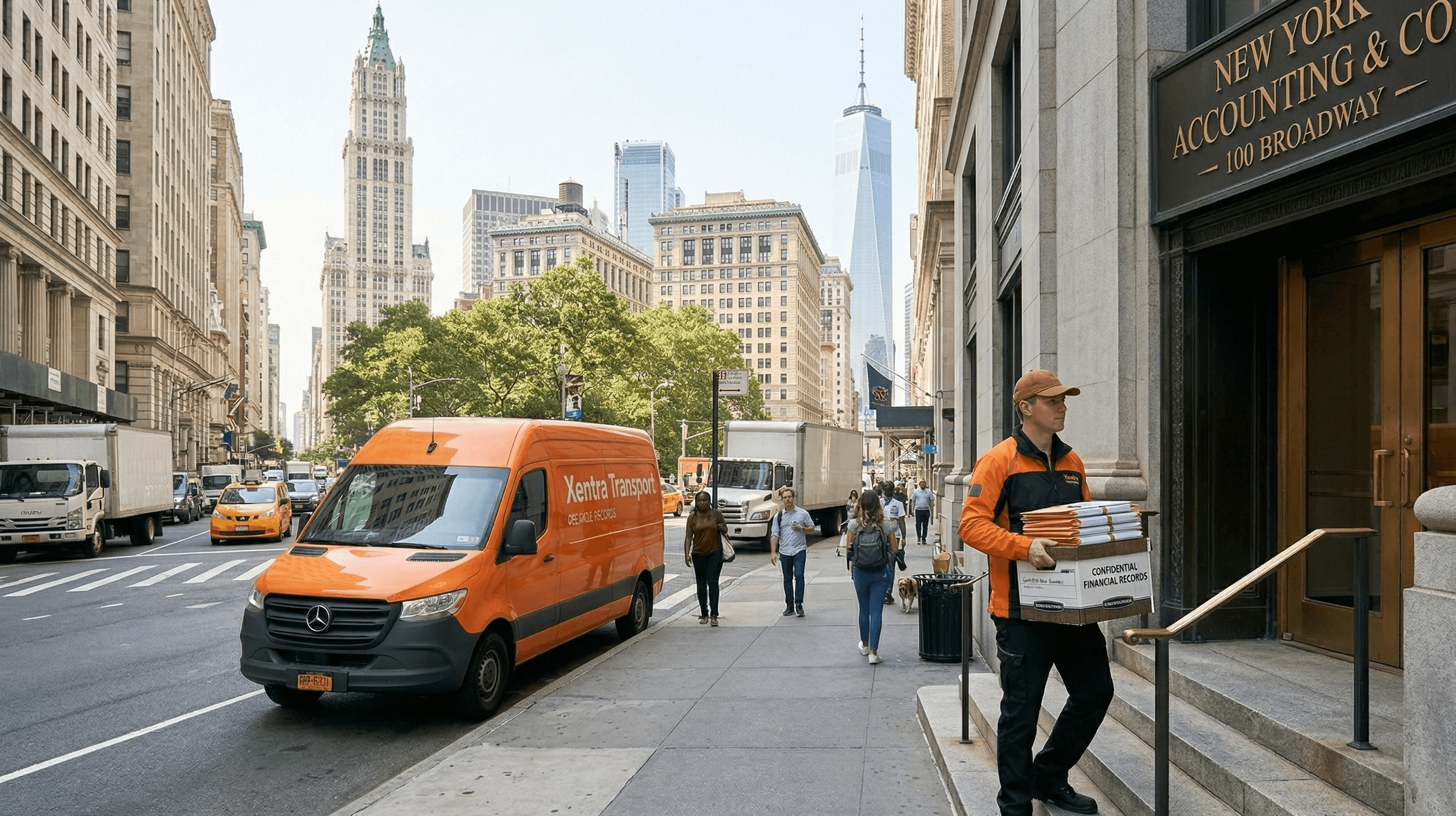
National parcel carriers were built around a specific business assumption: deliveries end at the curb. The truck pulls up, the driver leaves the package on the sidewalk, the truck pulls away. That assumption breaks immediately when the receiver is a contractor working out of a high-rise jobsite, a hotel doing a kitchen retrofit on Madison Avenue, a restaurant that needs a 1,500-lb walk-in cooler placed in the basement prep area, a film production loading equipment into a stage in Brooklyn, or any urban commercial receiver where the package can't sit on the sidewalk. UPS and FedEx will not unload to a basement, will not maneuver around a freight elevator, will not wait for a building security check, will not coordinate with a doorman, will not present a Certificate of Insurance to a building before showing up. Marketplace courier apps have the same problem with one extra failure mode: the driver who accepts the run might show up in a sedan when the load is a pallet.
The "curbside" model is also why so many vendor deliveries fail at the end of the chain. A construction supplier ships materials to a Manhattan jobsite via standard freight, the truck arrives at 10 AM, but the building's freight elevator window is 6-8 AM only and the receiver gets a return-to-sender on a $4,000 load. A hotel orders FF&E from a national supplier for a Wednesday install, but the supplier's truck shows up at 6 PM Friday and the install crew is already gone. Vendor and supply chain logistics in dense urban markets requires a partner who understands receiving constraints before the truck leaves the warehouse — building access, freight elevator scheduling, COI documentation, dock vs. street-level offload, union restrictions on which trades can move material on certain sites. We handle that layer. Construction supply runs through our construction materials and supplies delivery. Hospitality FF&E runs through our white-glove service. Retail and e-commerce vendor support runs through our distribution warehouse delivery. Cross-state on the NY-to-NJ corridor.
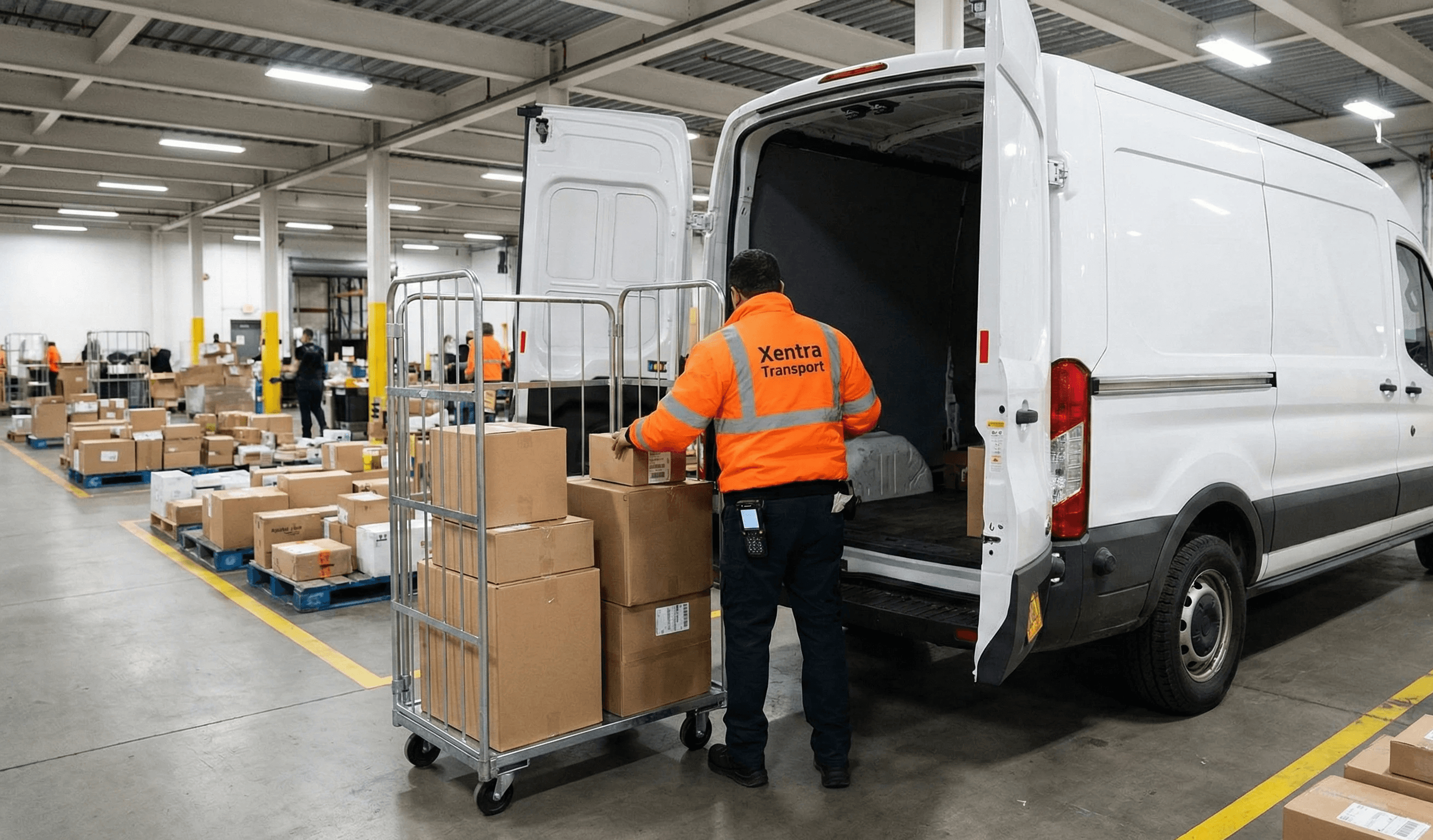
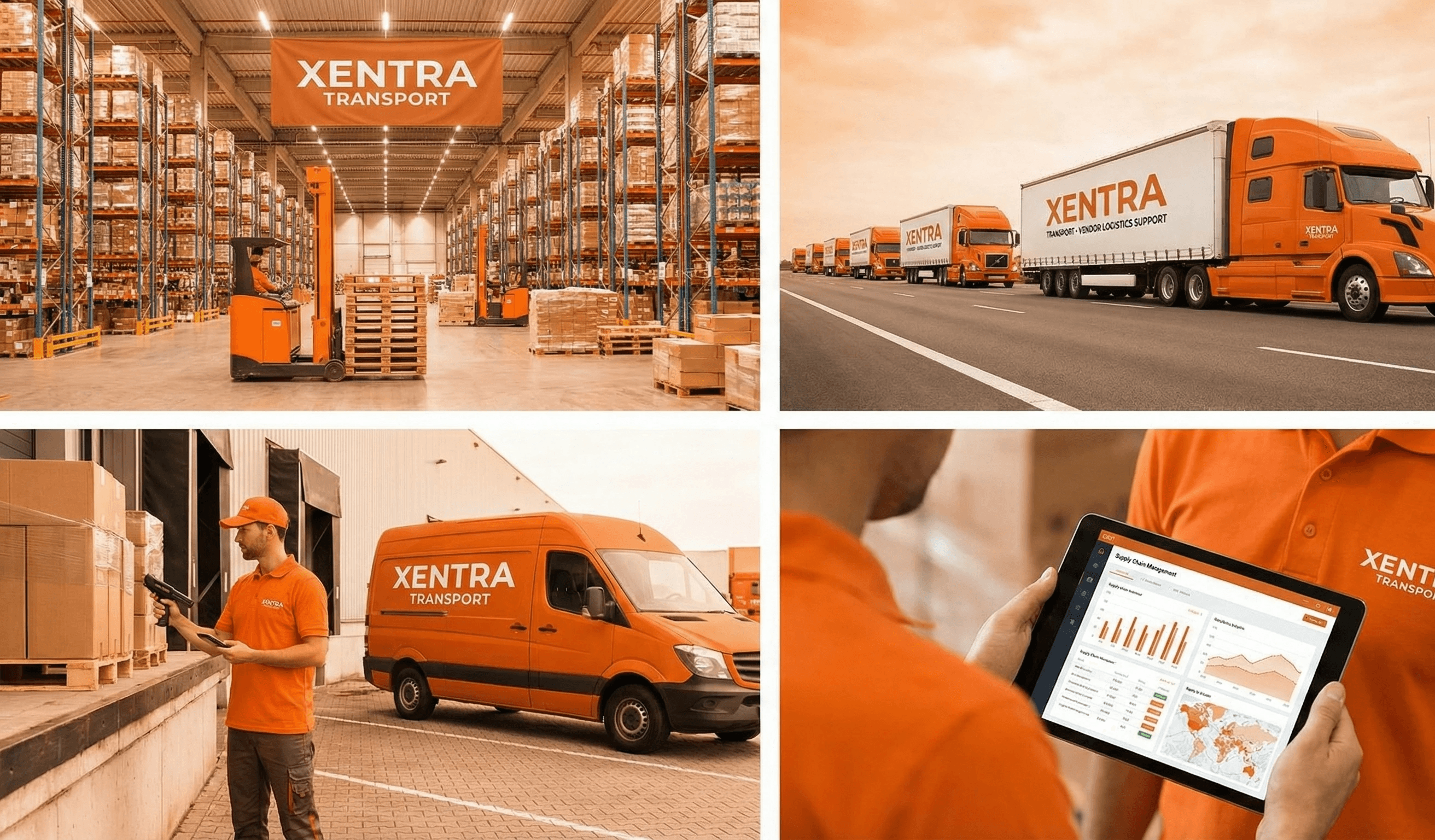
Most failed urban vendor deliveries fail because the supplier didn't think about the destination's receiving constraints. The fix is to put a logistics layer between the vendor truck and the actual delivery — a hub-and-spoke model where vendor freight comes into a regional facility, gets staged, and gets released to the destination on the destination's schedule, not the vendor's. We operate this model out of NJ-side warehousing in the Secaucus and North Bergen Meadowlands cluster and the Edison Route 287 corridor — your vendor freight (whether from a single supplier or consolidated from multiple) comes into our staging facility, sits ready, and gets released into the last-mile freight network on the receiver's clock. The construction site that needs materials at 7 AM Wednesday gets them at 7 AM Wednesday — not 10 AM, not Friday. The hotel doing a kitchen retrofit gets the walk-in cooler the morning the install crew is on-site. The film production gets equipment loaded in during the production's load-in window, not whenever the vendor's truck happened to arrive in town.
The vehicle stack matters here. Liftgate-equipped trucks for receivers with no dock; cargo van and box truck capacity from 1-2 pallets through 26-foot full-pallet loads; NJ-side fleet coordinated through the same in-house dispatch. Building Certificates of Insurance issued at no charge for any receiving building that requires advance documentation — common requirement for Class A buildings in Midtown, the Hudson Waterfront commercial corridor, and high-rise commercial buildings across Jersey City and Hoboken. Just-in-time release means the vendor's freight is staged and ready, but doesn't move until the receiver is ready to take it. That eliminates the most expensive failure mode in urban vendor logistics: a truck arriving when it can't be unloaded. Operations support through our freight forwarding services and the broader NJ warehouse and 3PL framework.
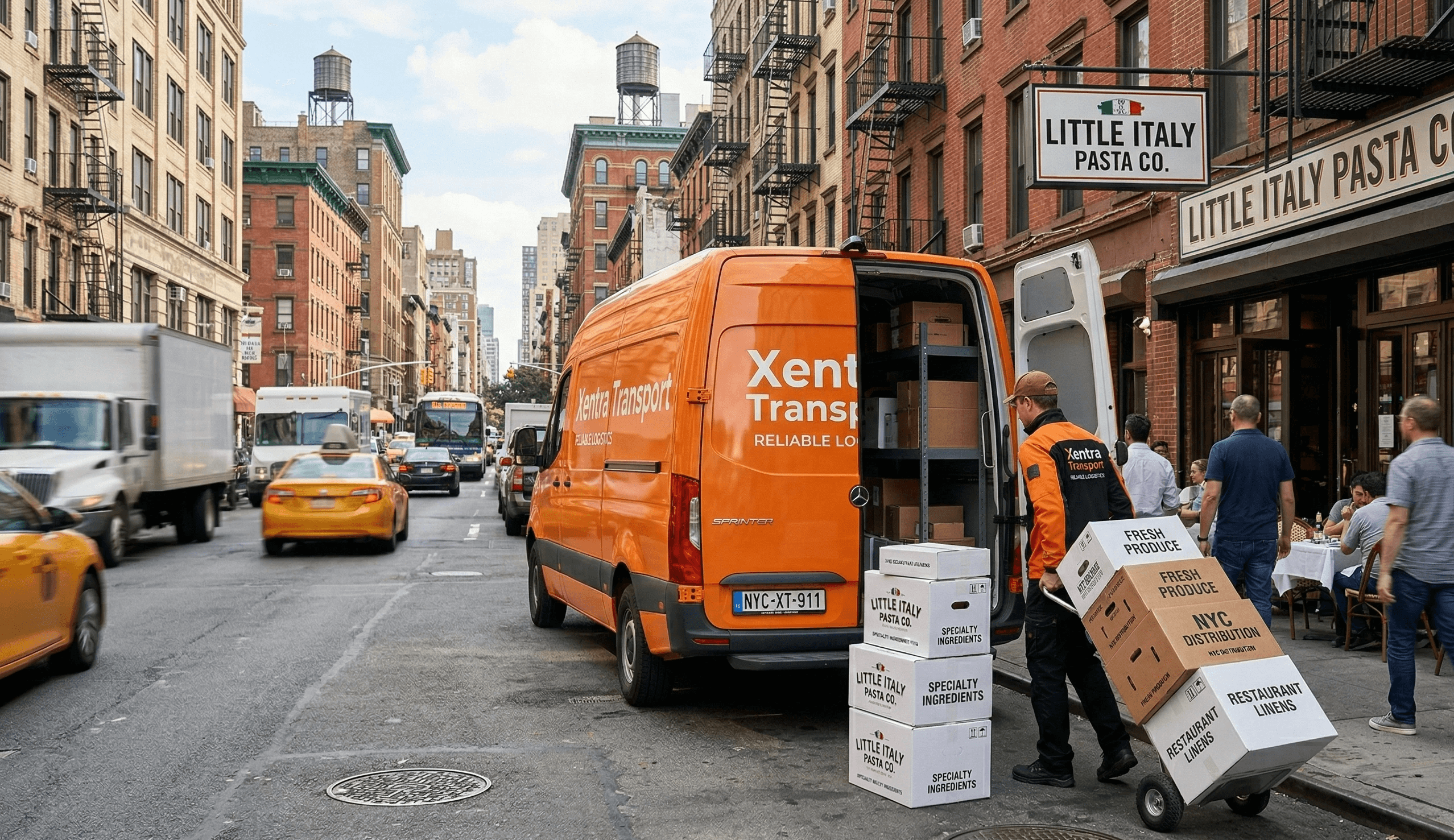
Construction and contracting. Materials runs to active jobsites across NYC and the broader NJ industrial belt — lumber, steel, concrete, plumbing supplies, electrical, HVAC, drywall, finish materials. Liftgate-equipped trucks for sites without forklifts, COI presented to GCs and building managers in advance, drivers trained on jobsite protocols and union restrictions. Detail at our construction materials delivery service. Hospitality and food service. Hotel FF&E for renovations and openings, restaurant equipment installs, daily catering and event runs, hospitality kitchen and bar supply, hotel laundry transport — coordinated through our catering and meal delivery framework and event delivery service for time-sensitive event logistics. Volume concentrates across Midtown hotels, the Hudson Waterfront hospitality belt in Hoboken and Jersey City, and the Jersey Shore corridor.
Technical and industrial. Data center equipment and IT installs requiring careful handling and inside placement; lab and biotech equipment to research facilities along the Princeton biotech corridor; manufacturing inputs and parts runs to industrial receivers across the Edison Route 287 belt and the Newark-Elizabeth manufacturing corridor; production equipment to film and TV sets in NYC and NJ active production hubs. Trade show and event logistics. Booth materials, exhibit pieces, breakdown and load-out runs through our trade show delivery service. Reverse vendor logistics. Returns from receiving sites back to vendor warehouses, defective material recall, packaging recovery. Office and corporate moves for vendor-supplied workspace fitouts handled through office moving NYC. Every vendor logistics job runs on transparent flat-rate pricing with COI coverage, in-house drivers, and live tracking on every truck. Cross-state vendor support across all NJ industries and the full NYC courier network.