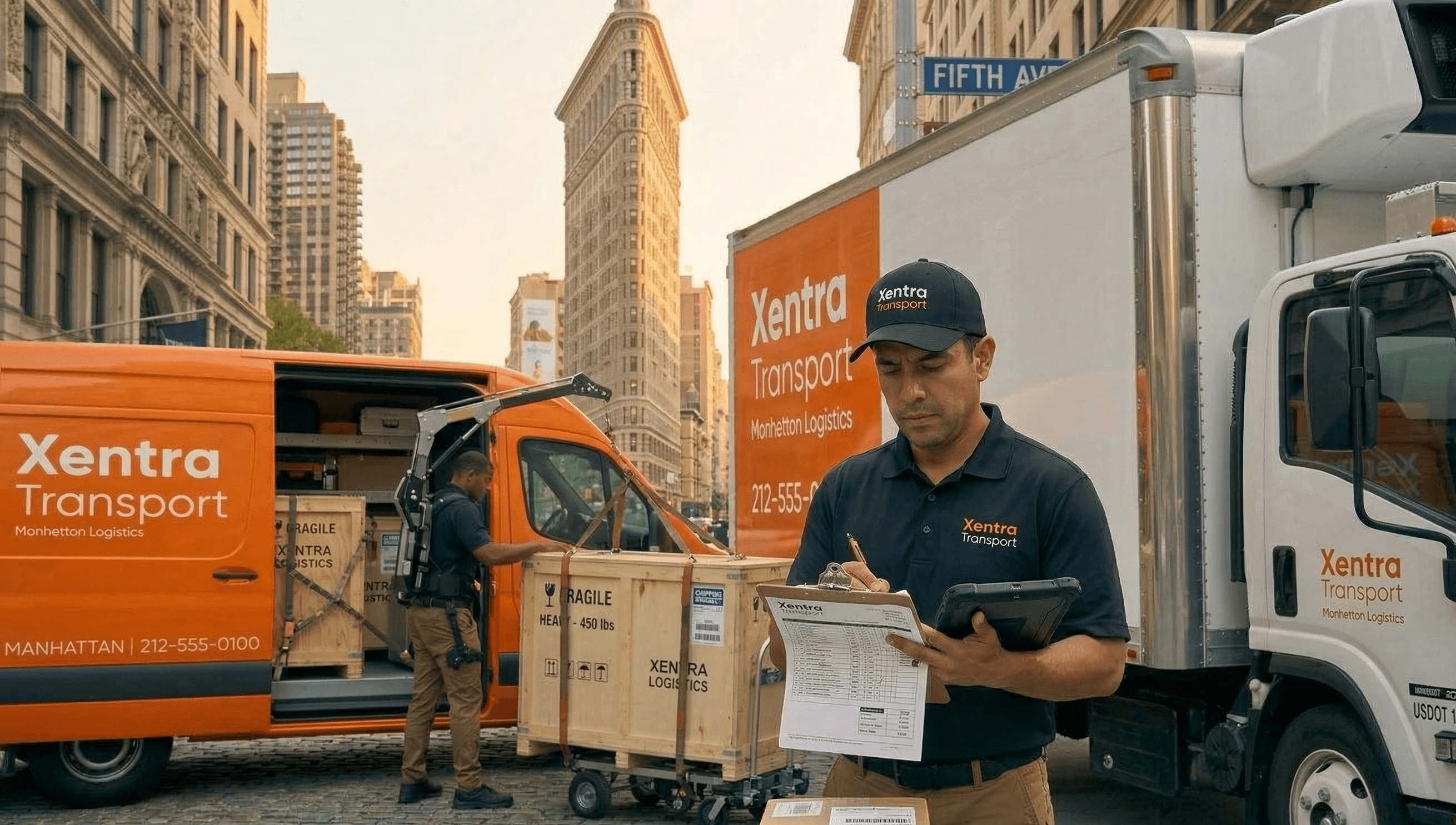





The wrong vehicle ends a delivery before it starts. A 26-ft box truck doesn't fit down a residential street in Hoboken. A cargo van can't carry six pallets to a Secaucus DC. A truck without a hydraulic liftgate can't offload a 1,500-lb pallet at a storefront in Paterson that has no loading dock. New Jersey delivery needs the full vehicle stack because the state covers every receiving condition you can imagine. High-density urban with no off-street parking in Jersey City and Newark. Suburban retail with limited dock access in Paramus and Hackensack. Full DC operations with dock-high loading at Exit 8A and the Meadowlands. Residential single-family with curb-only access in Fort Lee and Teaneck. Port-area drayage with TWIC gates at Elizabeth and Bayonne. High-rise commercial in Hoboken needing freight elevator booking. We run the full fleet to match. Every vehicle is owned by us. Every driver is on our payroll. When you book, you know what truck is dispatching, who's driving it, and what they're trained on. Tied into live GPS tracking on every run. For the basics of pallet shipping: how to ship a pallet. For liftgate cost and when to spec it: liftgate delivery explained.
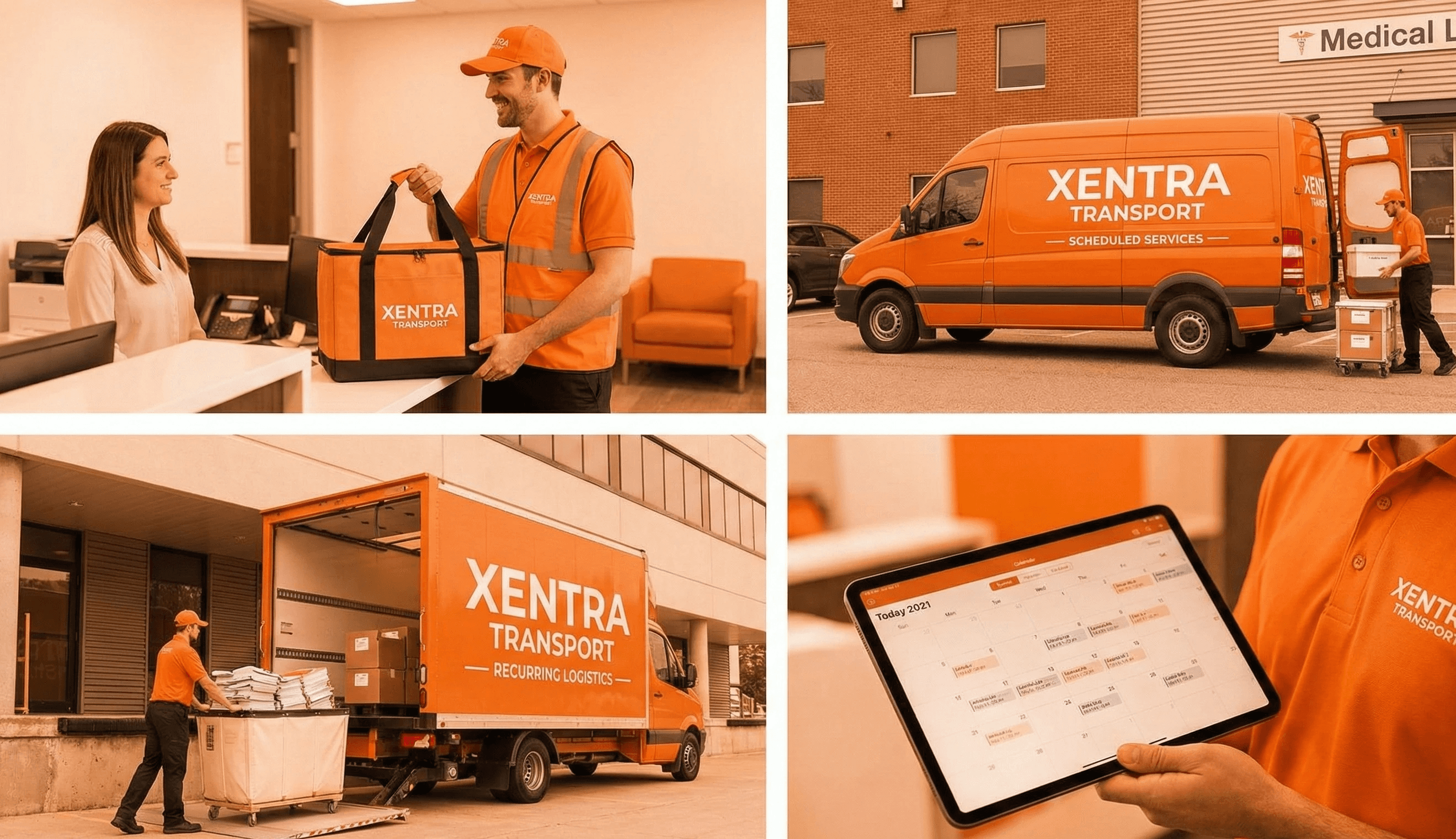
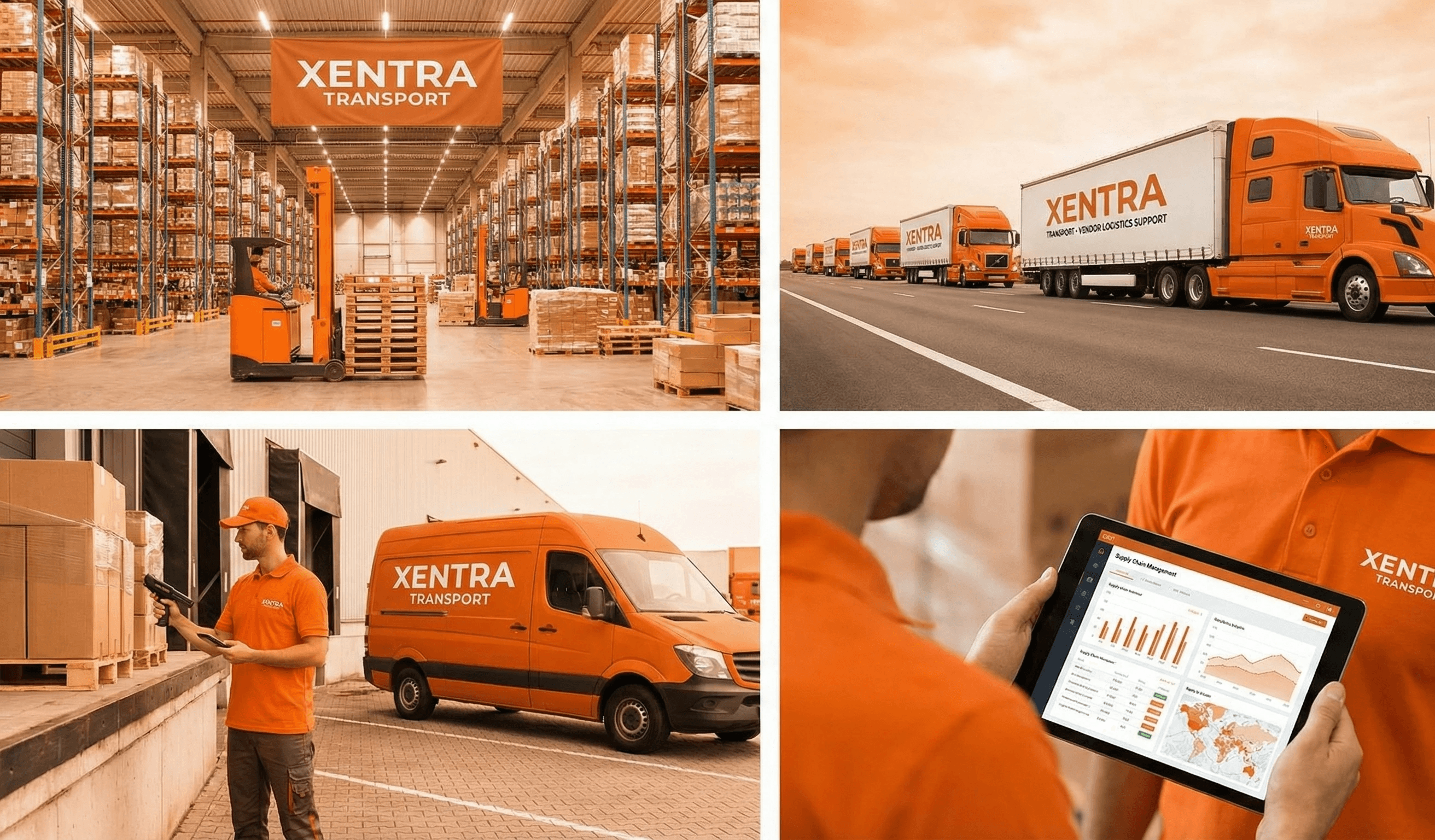
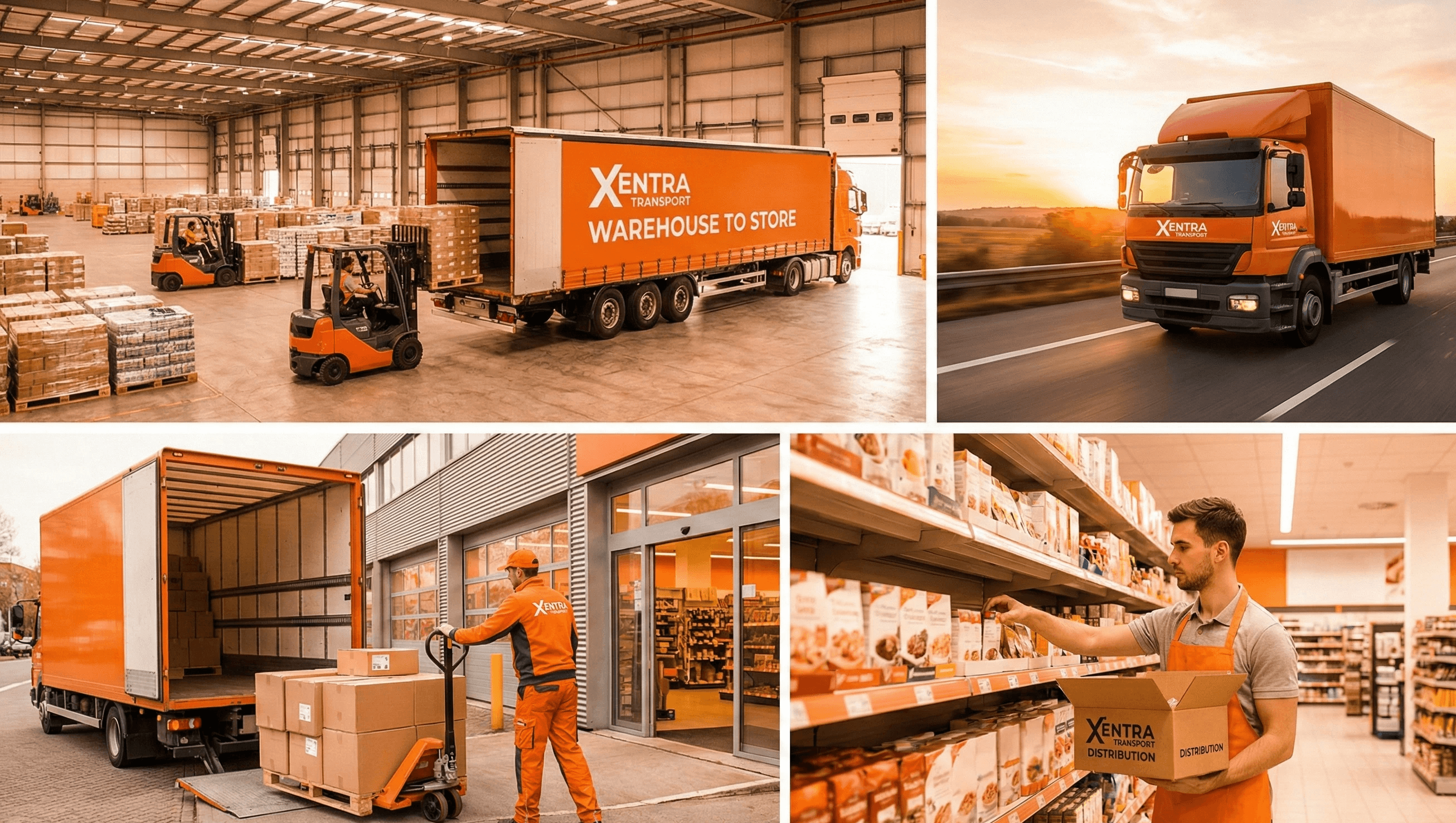
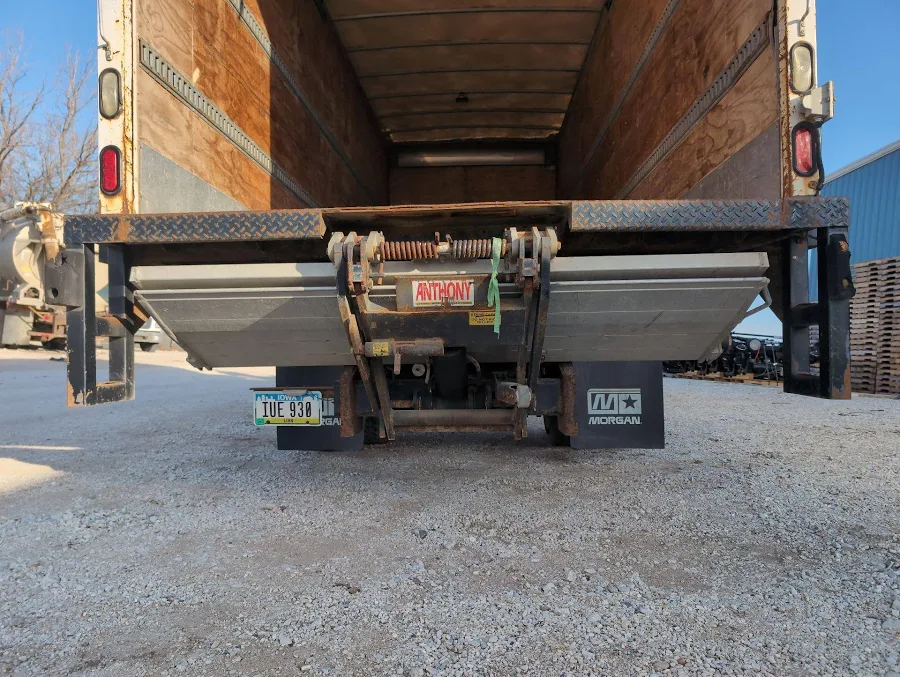
Here's the vehicle stack and what each is for. Cargo vans (Ford Transit, RAM ProMaster). Up to ~3,000 lb. 250-450 cu ft. 1-2 standard pallets. Fits residential and commercial alleys where bigger trucks can't. Most-used vehicle on the Hudson Waterfront in Jersey City, Hoboken, Weehawken, Union City, and West New York. Sprinter vans (high-roof, long-wheelbase). 350-550 cu ft. 2-3 pallets. ~5,000 lb payload. Better for taller cartons, longer items, showroom freight, trade-show booth pieces. Common for fashion and retail samples from Jersey City agencies to Manhattan buyers via the NY-to-NJ corridor. Box trucks. 16 ft (~3,500-4,500 lb / 4-6 pallets) — small-DC outbound, retail replenishment. 20 ft (~5,000-7,500 lb / 6-8 pallets) — mid-sized retail and hospitality FF&E. 24-26 ft (~9,000-12,000 lb / 10-12 pallets) — full pallet outbound, oversized crates, heavy equipment. Hydraulic liftgate available on every box truck. Rated to 3,000-5,000 lb. Critical for street-level offload at retail boutiques, restaurants, residential buildings without freight elevators, walk-up offices in Newark and Jersey City, construction sites without forklifts.
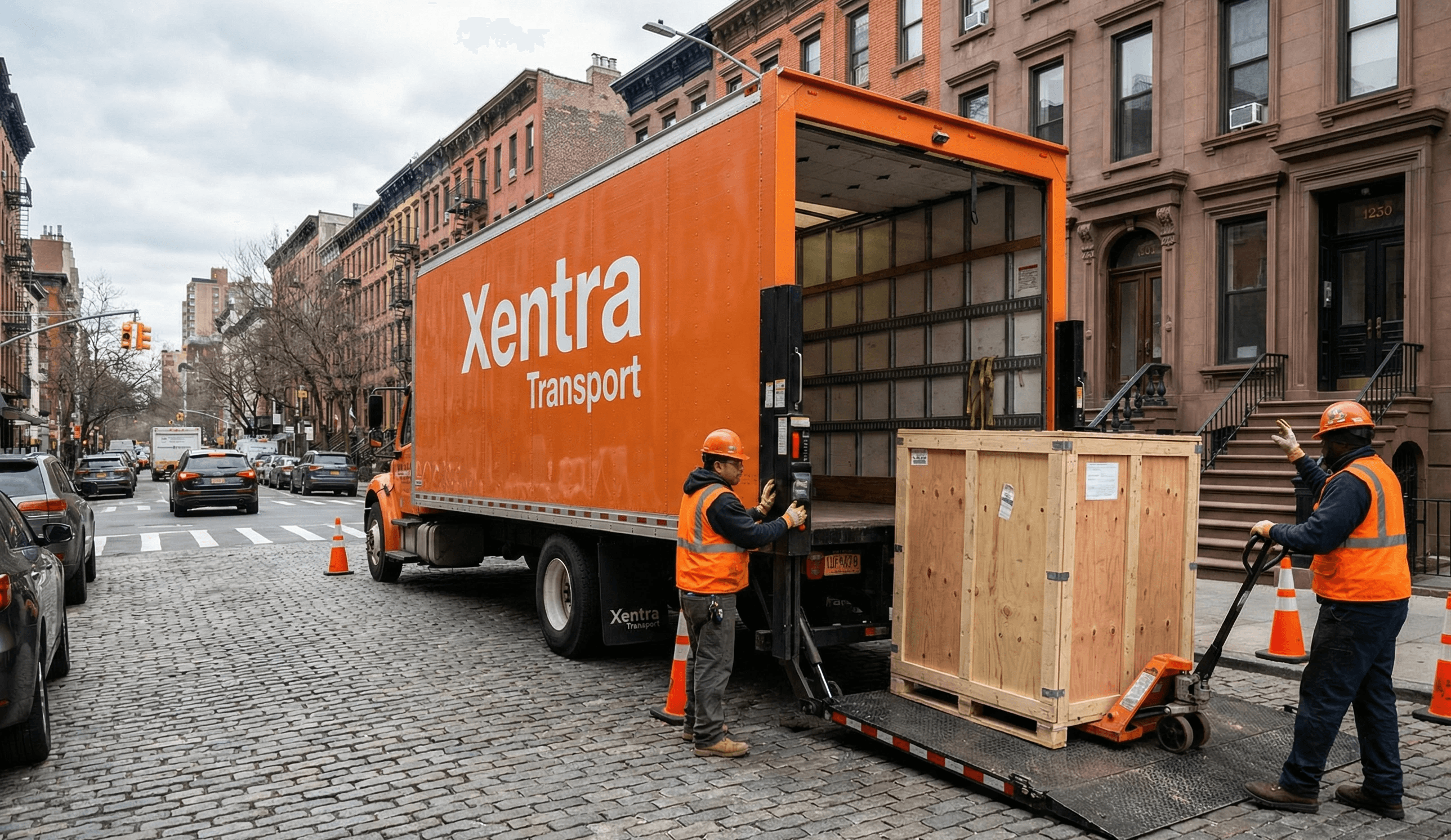
A few quick rules that save trouble at pickup. If the receiver has no loading dock, default to a vehicle with liftgate or a cargo van (if the freight is small enough to hand-offload). NJ residential and walkup-commercial properties without dock-height loading make up a big share of failed deliveries when carriers send the wrong truck. If the freight is over 4 pallets, you need a 20-ft+ box truck. Cargo vans and Sprinters max out at 2-3 pallets. If the destination is high-density urban — Hoboken side streets, downtown Newark, Hudson Waterfront, Hackensack Main Street — a 26-ft box truck often can't physically access. We spec down to a 16-ft or 20-ft, or split the load into a Sprinter run. If the destination is a freight elevator building in Jersey City, Newark, or Fort Lee — check the freight elevator weight rating and booking window before scheduling. Most NJ high-rises require a COI on file before the truck arrives. We issue free with 24 hours' notice. See COI guide and high-rise freight elevator guide. If the receiver is port-restricted — inside Port Newark Container Terminal, Elizabeth Marine Terminal, or EWR cargo — TWIC-cleared drivers are required. We have them.
When to ask for a cargo van. 1-2 small pallets. Short urban runs. Tight access streets. Document overflow loads. Sample runs. When to ask for a Sprinter van. 2-3 pallets. Taller cartons that won't fit in a cargo van. Trade-show booth pieces. Showroom freight. Mid-sized retail FF&E. When to ask for a 16-ft box truck. 4-6 pallets. Mid-sized retail outbound. DC drop runs. When to ask for a 20-ft box truck. 6-8 pallets. Bigger retail FF&E. Hospitality F&B loads. When to ask for a 24-26-ft box truck. 10-12 pallets. Full pallet outbound. Oversized crates. Heavy equipment. Always add liftgate when the receiver doesn't have a dock at the right height. Storefront with sidewalk-only access. Restaurant with a curb drop. Residential. Construction site without a forklift. Detail: liftgate guide. For warehouse and DC overflow, the warehouse and 3PL service ties into the same fleet.


What pricing depends on. Vehicle size (cargo van < Sprinter < 16-ft < 20-ft < 24-26-ft). Distance (flat-rate distance-based). Liftgate (modest add-on; standard on every box truck). Multi-stop count. Wait time after 15 minutes. After-hours and weekend (premium). What does NOT change pricing. Fuel (no fuel surcharge — built into the rate). COI issuance (free). TWIC-cleared driver (free). Standard packaging assistance (free). To book. Dimensions and weight of each piece, total pallet count, pickup address with dock details, delivery address with same, liftgate requirement at either end, any building access constraints (COI, freight elevator booking window, TWIC, gate clearance for corporate park). Call 877-709-2711 or book online. If pricing is what's driving the decision, see 2026 pricing guide, cheapest courier service, saving money on shipping, and pallet cost breakdown. For 3PL and warehouse operations needing a flexible fleet on a recurring schedule, see warehouse and 3PL and dedicated fleet logistics.
What pricing depends on. Vehicle size (cargo van < Sprinter < 16-ft < 20-ft < 24-26-ft). Distance (flat-rate distance-based). Liftgate (modest add-on; standard on every box truck). Multi-stop count. Wait time after 15 minutes. After-hours and weekend (premium). What does NOT change pricing. Fuel (no fuel surcharge — built into the rate). COI issuance (free). TWIC-cleared driver (free). Standard packaging assistance (free). To book. Dimensions and weight of each piece, total pallet count, pickup address with dock details, delivery address with same, liftgate requirement at either end, any building access constraints (COI, freight elevator booking window, TWIC, gate clearance for corporate park). Call 877-709-2711 or book online. If pricing is what's driving the decision, see 2026 pricing guide, cheapest courier service, saving money on shipping, and pallet cost breakdown. For 3PL and warehouse operations needing a flexible fleet on a recurring schedule, see warehouse and 3PL and dedicated fleet logistics.
Do you have liftgate trucks in every New Jersey county?
Yes. Every box truck in our New Jersey fleet has a hydraulic liftgate. Newark, Paramus, Hackensack, Edison, Jersey City, Trenton, Princeton — every NJ corridor covered with liftgate-equipped vehicles.
What size box truck do I need for my New Jersey delivery?
1-2 pallets: cargo van. 2-3 pallets: Sprinter. 4-6 pallets: 16-ft box truck. 6-8 pallets: 20-ft. 10-12 pallets: 24-26-ft. Tell us at booking and we send the right one.
Can a cargo van fit in Hoboken and Jersey City streets?
Yes. Cargo vans are our default for dense urban New Jersey work — Hoboken, Jersey City, downtown Newark, parts of Paterson and Clifton where larger trucks can't maneuver.
Do you have TWIC-cleared drivers for New Jersey port deliveries?
Yes. Port Newark Container Terminal, Elizabeth Marine Terminal, Bayonne cargo, and EWR restricted gates all require TWIC clearance. We have it.
Is liftgate delivery extra in New Jersey?
Modest add-on. Cheaper than the typical LTL liftgate accessorial. Detail: liftgate delivery cost guide.
Can my New Jersey business rent your fleet for the day?
Yes. Dedicated daily fleet allocation at a fixed weekly rate for consistent volume. See serving all industries and courier driver cost 2-day rental.
Do you do New Jersey high-rise freight elevator deliveries?
Yes. We pre-book freight elevators and bring the COI. Jersey City, Hoboken, Newark, Fort Lee, Weehawken towers all covered. See high-rise freight elevator guide.
What if my New Jersey freight is fragile?
Sprinter van with blanket-wrap protocol or white-glove crew with padded truck. See fragile shipping guide and white-glove delivery.
Choose Confidence. Choose Xentra Transport.
Book NJ Fleet Delivery