
What You Get on Every Delivery
Live GPS tracking
Live GPS tracking shared automatically with stakeholders
Signture & Proof of delivery
Photo + signature POD delivered same day
Trained & insured Couriers
W-2 or vetted IC couriers — never app-based gig drivers
Read More About Our Tracking Services
Drayage is the short, unglamorous leg that nobody quotes you on until it costs you money: moving a container from the marine terminal to a nearby warehouse, rail ramp, or transload facility. At the Port of New York and New Jersey, that is usually a haul of a few miles out of Newark or Elizabeth to a distribution point. The distance is tiny. The coordination is not.
The Port of NY/NJ is the busiest container port on the East Coast and the third-largest in the country, moving roughly 8.7 million TEU in 2024. That volume means terminal appointments, chassis availability, and gate hours all become bottlenecks. A container does not move the moment it hits the dock — it moves when it has been released by customs and the ocean carrier, when an appointment is booked, when a chassis is under it, and when a driver is at the gate during operating hours. Miss any one of those and the box sits.
This is why drayage is its own discipline, separate from the long-haul freight delivery that happens after. Getting the container off the terminal cleanly is half the battle for any importer working through Newark.
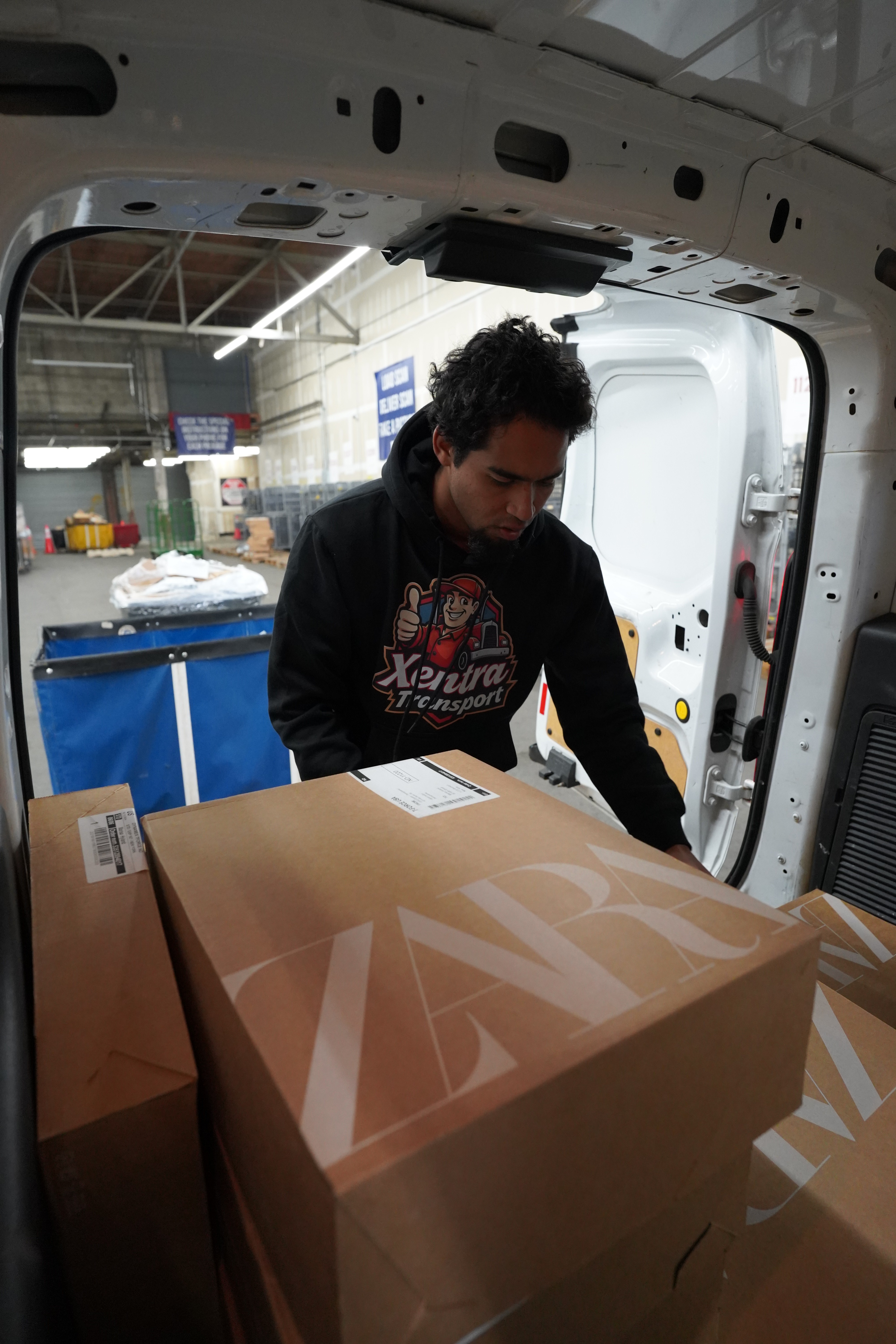
Three charges catch importers off guard, and all three are clocks. Demurrage is what the terminal charges when your container sits on the dock past its free time — usually a handful of days after it is available. Detention is what the carrier charges when you keep the container too long after you have pulled it off the terminal. Per diem is the daily charge on the equipment itself. None of them are small; demurrage at a busy port can run into the hundreds of dollars per container per day, and stacked delays have produced five-figure bills.
Then there is the chassis — the wheeled frame the container rides on. If you do not have your own, you rent one, and chassis shortages at the port are a recurring headache that can strand an otherwise-ready container. A good drayage operator manages chassis supply so it is not your problem.
The way to beat all of this is speed and timing: book the terminal appointment as soon as the box is released, have the chassis lined up, and move the container before the free-time clock expires. If you want the full breakdown of those charges, see our explainer on detention versus demurrage.
Learn More On Our Quality Assurance
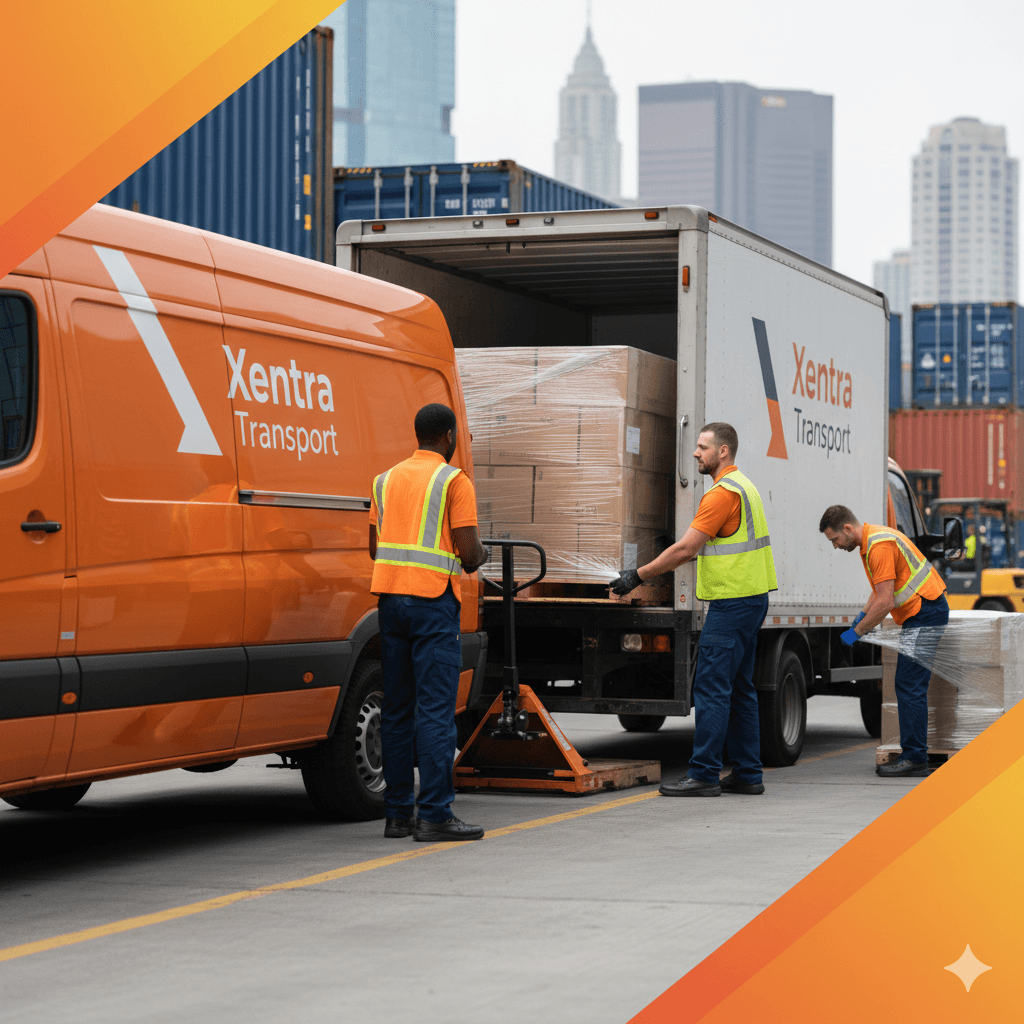
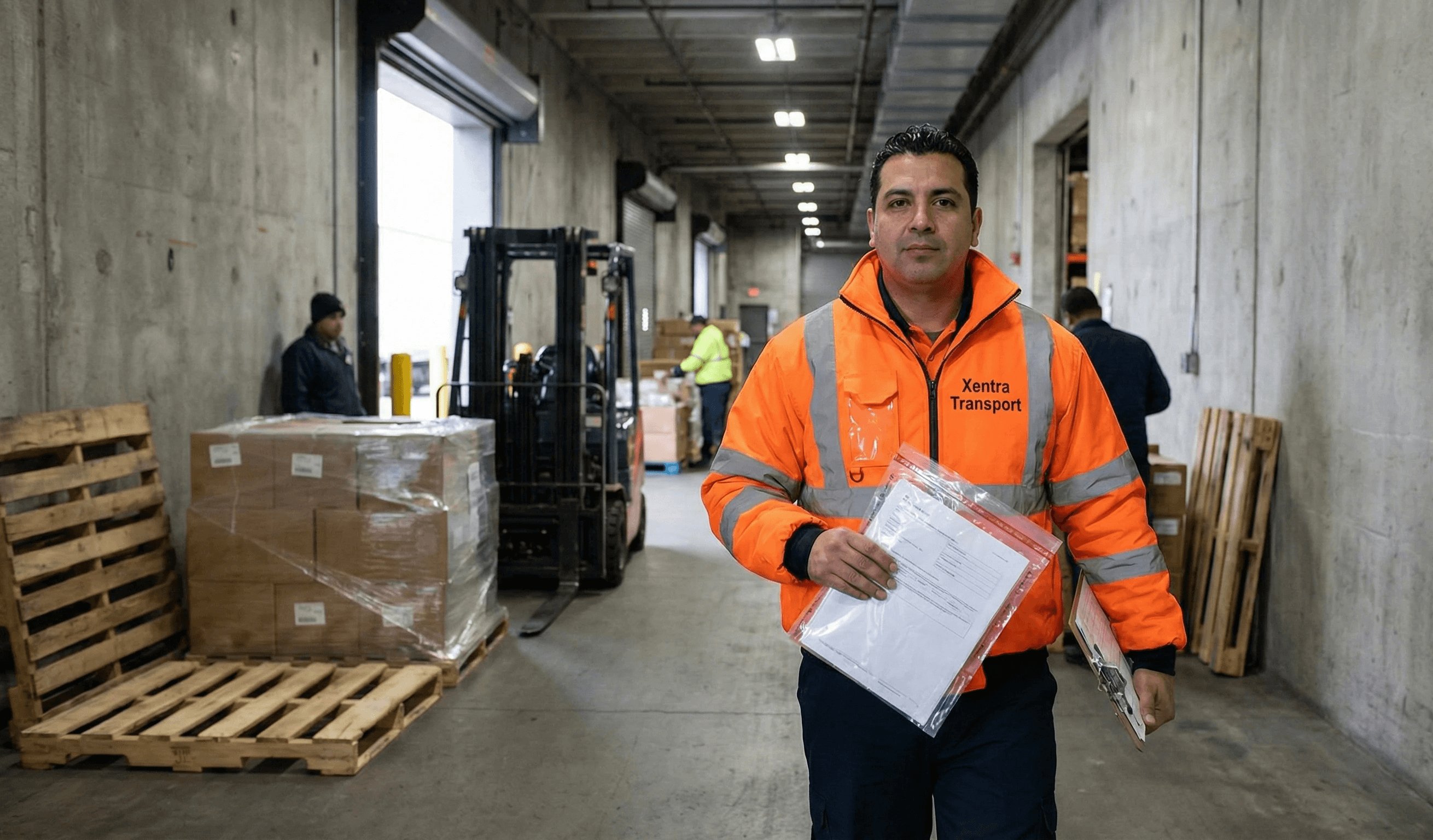

Once the container clears the gate, it goes one of a few places: straight to your warehouse for live unload, to a cross-dock for transfer, or to a transload facility where the ocean container is stripped and the freight is reloaded onto domestic trailers for the rest of the country. The Exit 8A warehouse corridor in central New Jersey, with its tens of millions of square feet of distribution space, is where a large share of Port Newark freight ends up.
Xentra Transport handles the move from the terminal to your NJ destination and the freight legs beyond it. We coordinate the pickup window, manage the chassis, and get your container where it needs to be before the free-time clock turns into a bill. If the freight then needs to keep moving — to a store, a job site, or another state — we carry that too. Call 877-709-2711 or get a quote online, and tell us the container number and the terminal; we will tell you the realistic pickup window.
See Why They Choose Us
Container Cleared? Get It Moving Before Demurrage Hits.
Book a Port Newark Pickup
Meet Your Industry Needs Call Us


