



Solving the "High-Rent, Low-Storage" Retail Dilemma
NYC retail real estate is some of the most expensive square footage in the world. The math forces every retailer in Manhattan to make the same decision: maximize front-of-house selling space and minimize back-of-house inventory space. A flagship store on Madison Avenue or in SoHo runs on roughly 2-4 days of inventory at any given time. Some specialty retailers run on less than that. A typical NYC chain store carries 30-50% less back-of-house inventory than the same chain's suburban location, even though NYC stores often have higher per-square-foot sales velocity. The math only works if the warehouse-to-store replenishment cycle is fast, predictable, and operationally tight. The moment replenishment slips — a missed delivery, a 2-day delay on a popular SKU, a truck that couldn't get into the receiving alley because the building wasn't ready — the store goes out of stock on the items driving the highest margin, and the entire economic model breaks.
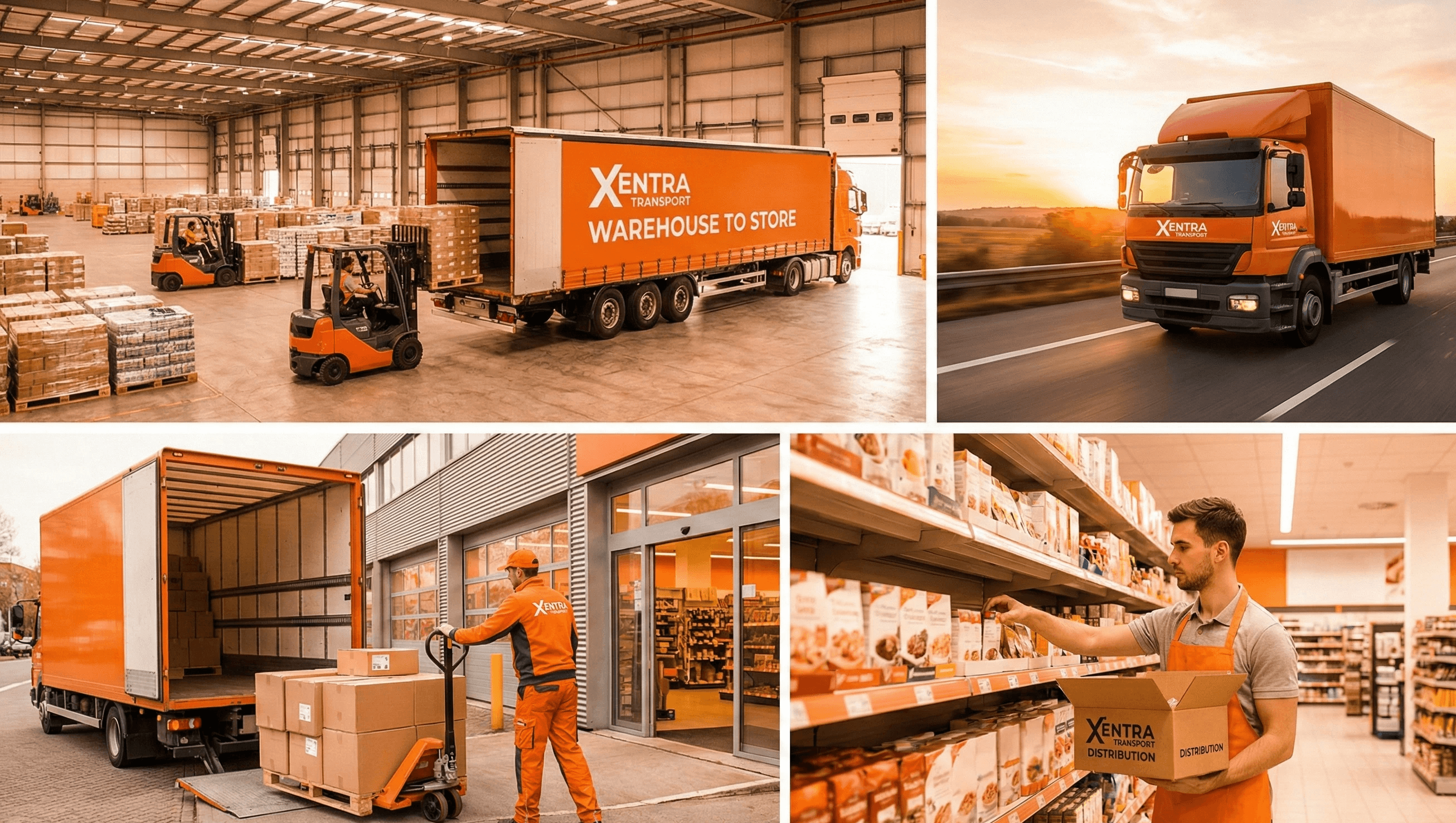
Retail replenishment for NYC requires a distribution partner that understands the constraint. National LTL carriers run on a 2-3 day standard transit time for what's physically a 30-mile drive from a Meadowlands warehouse to a Madison Avenue storefront. They route through Secaucus or Edison sortation hubs, hold overnight, consolidate, and deliver into a 4-hour window that doesn't account for the destination's actual receiving constraints. By the time the freight arrives, the store is already 24-48 hours into a stockout on the inventory that was supposed to be replenished. We run a different model: direct hub-to-store dispatch from your NJ DC or 3PL into your NYC retail footprint, on the cadence the stores actually need, with drivers and trucks sized to the receiving conditions at each location. Detail at our NYC retail store delivery page and the broader distribution warehouse delivery framework. Why retailers move off LTL to direct same-day distribution: logistics flexibility for NYC retailers.
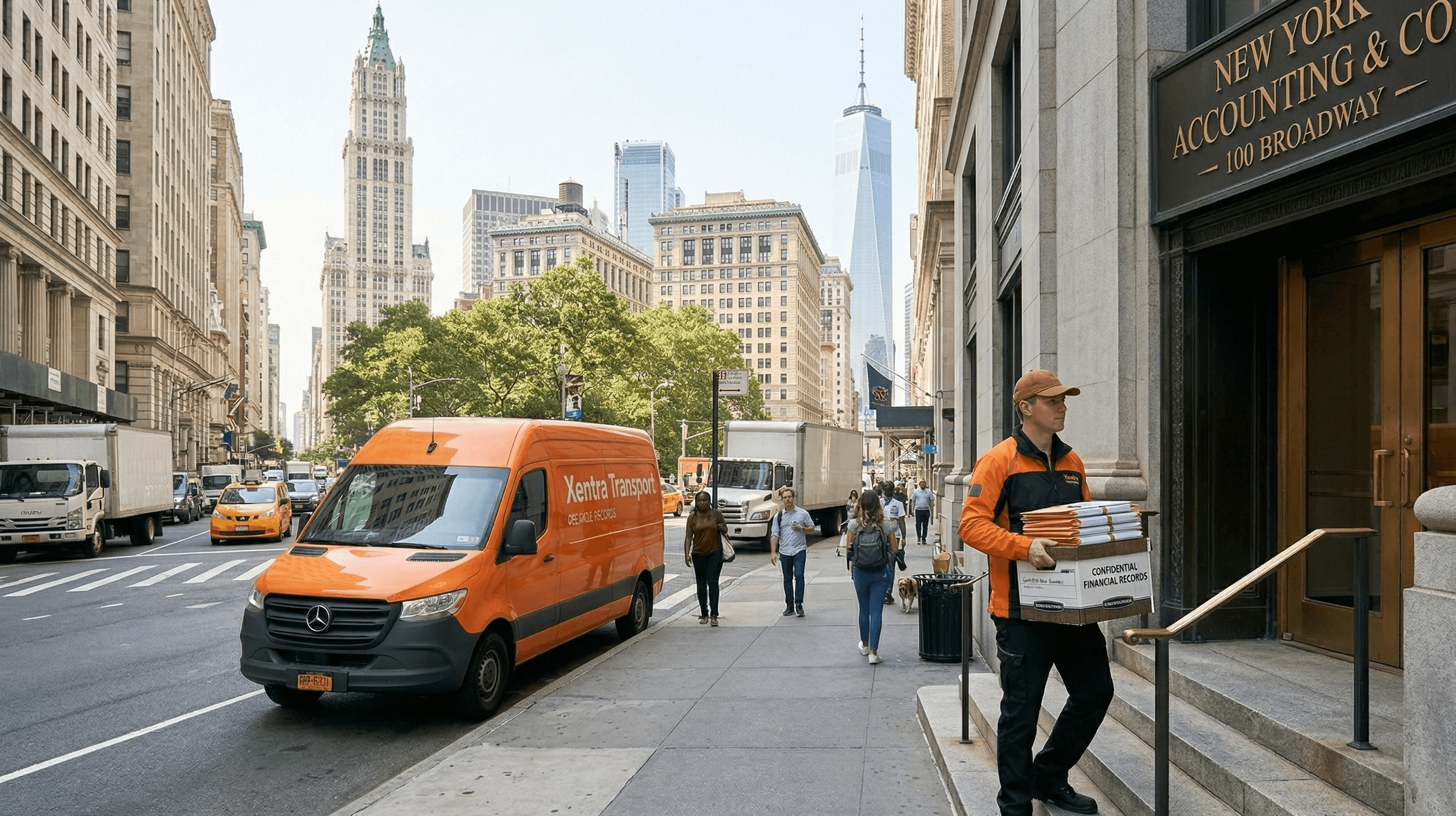
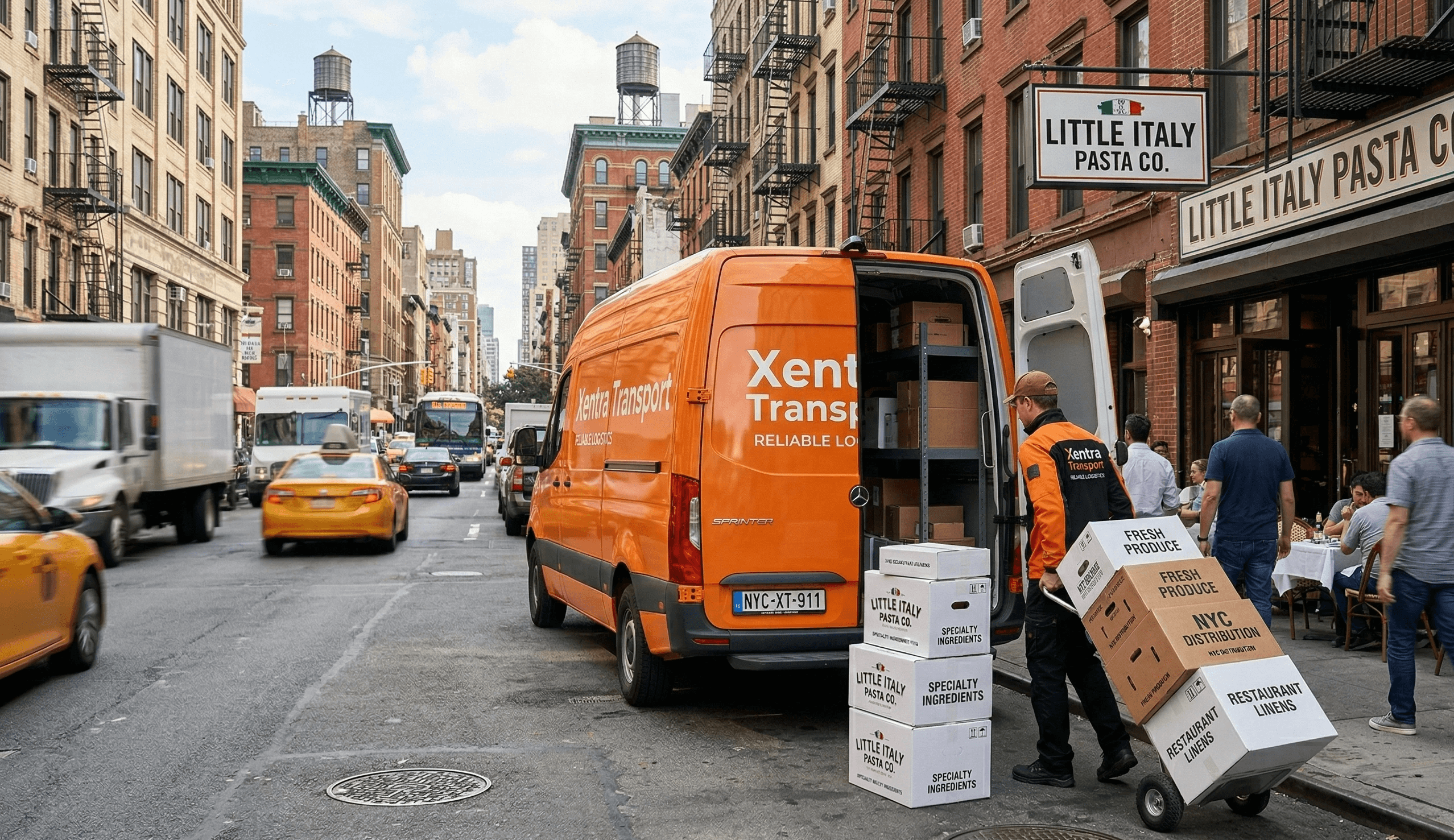
The right retail distribution route starts with the receiving end, not the warehouse end. A flagship store on Fifth Avenue receives differently than a chain store in a Brooklyn shopping district, which receives differently than a mall location in Paramus. Some Manhattan stores have a freight elevator and a basement receiving room. Most don't — they offload at street level into a back-of-house door with no dock, no elevator, no forklift. A truck without liftgate can't deliver a 1,000-lb pallet to that store. A truck without a driver who's done it before will sit at street level for 45 minutes trying to figure out where to park, where to offload, and how to roll the pallet through the front door. We dispatch vehicles sized to the receiver — cargo vans for boutique-scale replenishment, Sprinter vans for mid-size loads with longer items, 16-26 foot box trucks with hydraulic liftgate for full-pallet retail freight to non-dock locations. Drivers are in-house, trained on NYC street-level offload, and consistent across runs so they know each store's specific procedure.
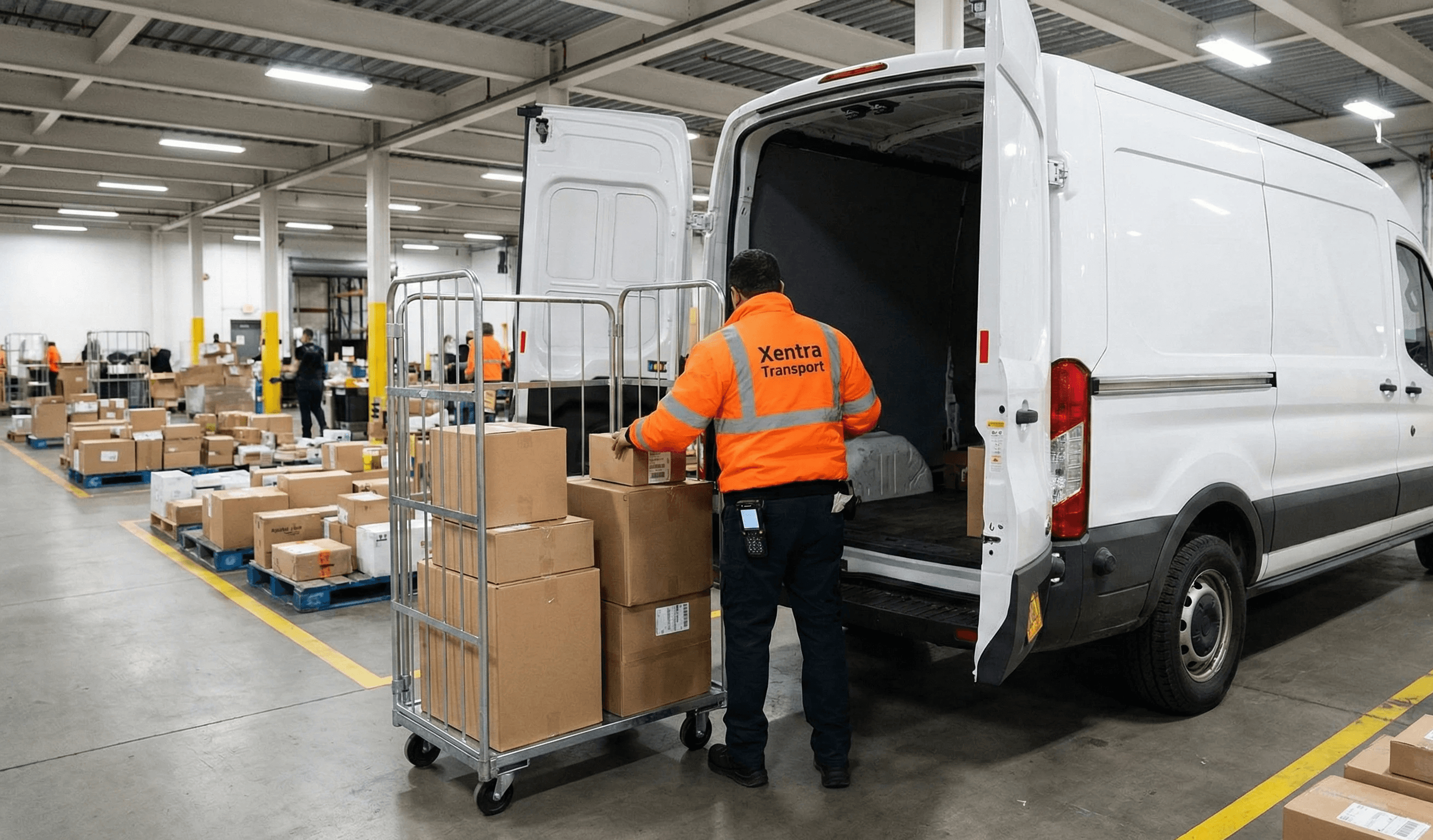
Routes are scheduled for density and predictability. A daily replenishment route covering 8-12 NYC retail locations from a Meadowlands or Exit 8A DC takes a single dedicated truck and driver, runs the same time window every day, and bills at a flat monthly rate locked in for the contract term. Multi-store chains running consistent volume save substantially over per-shipment LTL or per-run on-demand pricing. Pallet freight and white-glove inside placement coordinated through the same dispatch — handy for stores needing both bulk pallet replenishment and high-end visual merchandising or display fixtures handled with care. NJ-side warehousing and 3PL coordination through our NJ warehouse and 3PL service; full vehicle stack at our NJ vans, box trucks, and liftgate page. Cross-state runs on the NY-to-NJ corridor.
Apparel and fashion retail. NYC is the country's biggest apparel market and the densest in flagship and specialty stores. Replenishment from NJ-side DCs into Manhattan flagships (SoHo, Fifth Avenue, Madison, Meatpacking), Brooklyn boutiques, and the broader chain footprint across the boroughs. FF&E and visual merchandising deliveries through our fashion courier service. Department stores and big-box. Daily and weekly replenishment from regional DCs to NYC and Paramus retail anchors — one of the largest mall and department store concentrations in the country. Specialty retail. Cosmetics, beauty, electronics, footwear, accessories, gifts, home goods — high-velocity SKU replenishment with tight inventory turns. Food and grocery retail. Specialty grocers, convenience chains, and fresh-format retailers requiring temperature-aware handling and tight delivery windows. Hospitality retail. Hotel gift shops, airport retail concessions, and tourism-anchored shops requiring weekly and event-driven replenishment.
Reverse logistics and RTV. Defective inventory returns from stores back to the DC, vendor returns processing, customer return consolidation, seasonal merchandise pulls, end-of-cycle markdowns and transfers between locations — coordinated through the same dispatch as outbound replenishment. Cross-state retail distribution. Hub-to-store from NJ warehouses into Connecticut and Pennsylvania retail networks via the NY-to-NJ corridor, the NY-to-Philadelphia route, and the broader Northeast network. Building Certificates of Insurance for any retail or mall receiving location, COI on file with major NYC commercial buildings, and dispatch coordination with mall management for mall-anchored retail. Operational visibility through live tracking on every truck. Retail ops insight in our 5 ways ecommerce brands improve last-mile NYC and state of same-day delivery NYC 2026. Dedicated fleet allocations for chains running 10+ stores at once: scaled through our freight delivery infrastructure with consistent driver assignment across the route network.