
What You Get on Every Delivery
Live GPS tracking
Live GPS tracking shared automatically with stakeholders
Signture & Proof of delivery
Photo + signature POD delivered same day
Trained & insured Couriers
W-2 or vetted IC couriers — never app-based gig drivers
Read More About Our Tracking Services
Freight class is a standardized number, from 50 to 500, that every LTL shipment gets assigned. The lower the number, the cheaper the freight is to ship; the higher the number, the more it costs. A pallet of dense bricks classes low. A pallet of ping-pong balls — light, bulky, mostly air — classes high, even though it weighs almost nothing.
The classes come from the National Motor Freight Classification, the NMFC, maintained by the National Motor Freight Traffic Association. Each commodity gets an NMFC code, and that code maps to a class. The system exists so that carriers and shippers across the country are speaking the same language about what a shipment is and what it should cost to move.

There was a significant overhaul in 2025. Effective July 19, 2025, the NMFTA's restructuring shifted around 2,000 commodity listings away from old commodity-specific rules toward a density-based system, replacing the previous density scale with a new, more granular 13-tier structure.
In practice, this means density — how many pounds your shipment weighs per cubic foot — is now the dominant factor in classification for a huge range of goods. To find it, you measure the shipment (length × width × height to get cubic feet), weigh it, and divide the weight by the cubic feet. Higher density, lower class, cheaper shipping. Lower density, higher class, more expensive.
The practical upshot for shippers: you can no longer rely on an old class you have always used for a product. If the freight is now classed by density, you need accurate dimensions and weight, because the carrier will use the actual numbers.
Learn More On Our Quality Assurance
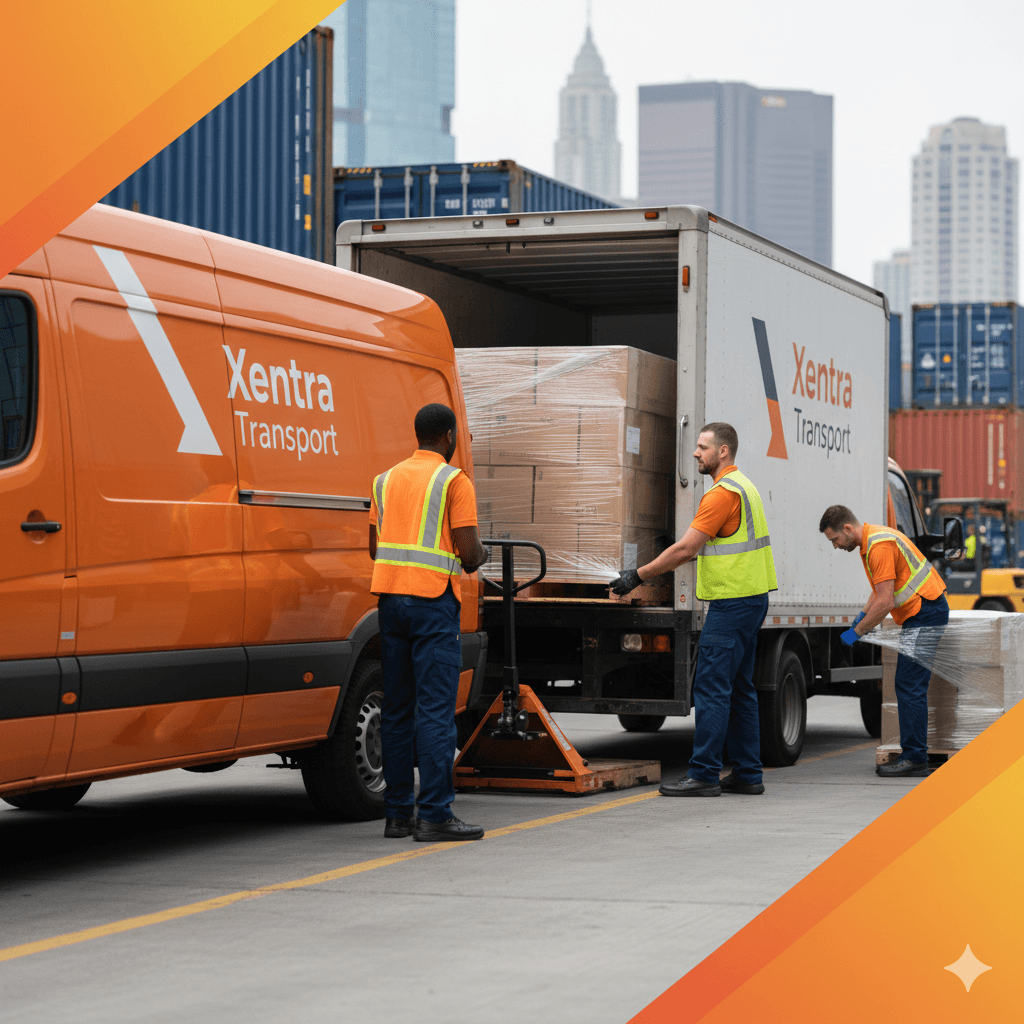
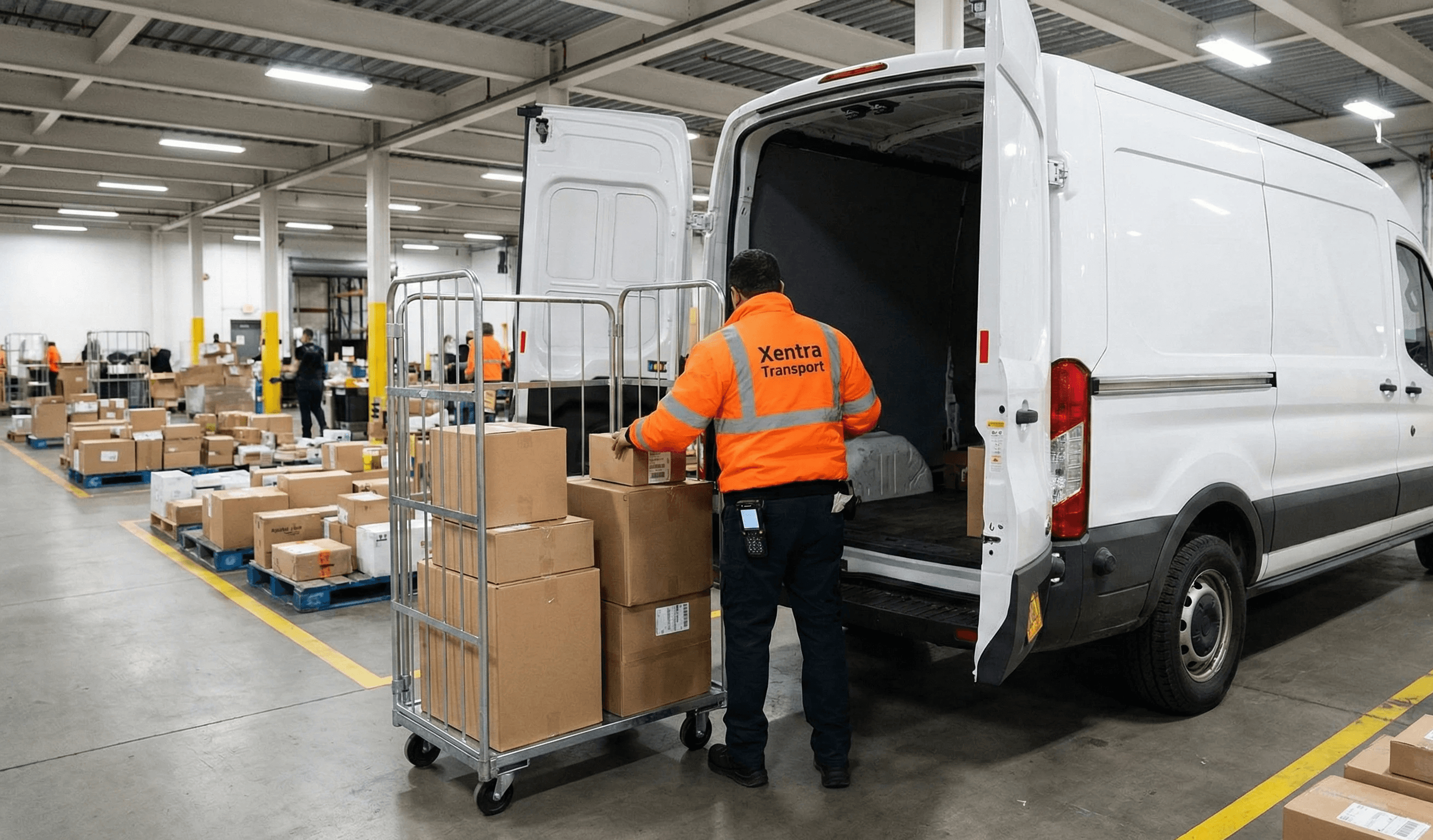

The most common — and avoidable — freight cost is a reclassification charge. You declare a class, the carrier inspects or weighs the freight, finds it does not match, reclasses it, and bills you the difference plus a fee. It happens when shippers guess at dimensions, forget that packaging and the pallet count toward the cubic footage, or use a stale class.
Avoiding it is mechanical: measure the freight including packaging and pallet, weigh it accurately, calculate the real density, and declare the class that density gives you. When in doubt, ask before you ship rather than after the bill arrives.
Xentra Transport handles LTL and dedicated freight delivery across the Northeast and can help you class a shipment correctly before it moves. If you are still deciding whether LTL is even the right mode, read our guide on LTL vs FTL. Call 877-709-2711 with your pallet dimensions and weight and we will help you get the class right the first time.
See Why They Choose Us


