What You Get on Every Delivery
Live GPS tracking
Live GPS tracking shared automatically with stakeholders
Signture & Proof of delivery
Photo + signature POD delivered same day
Trained & insured Couriers
W-2 or vetted IC couriers — never app-based gig drivers
Read More About Our Tracking Services
LTL — less-than-truckload — means your freight shares a trailer with other companies' shipments. You pay for the space you use, the carrier fills the rest of the truck with other freight, and everyone splits the cost of the trip. FTL — full truckload — means you book the entire trailer, whether you fill it or not. The truck carries your freight and only your freight, from pickup to delivery.
That one structural difference drives everything else: price, speed, handling, and risk. LTL is cheaper because you are sharing. FTL is faster and safer because nobody else's freight is in the way.
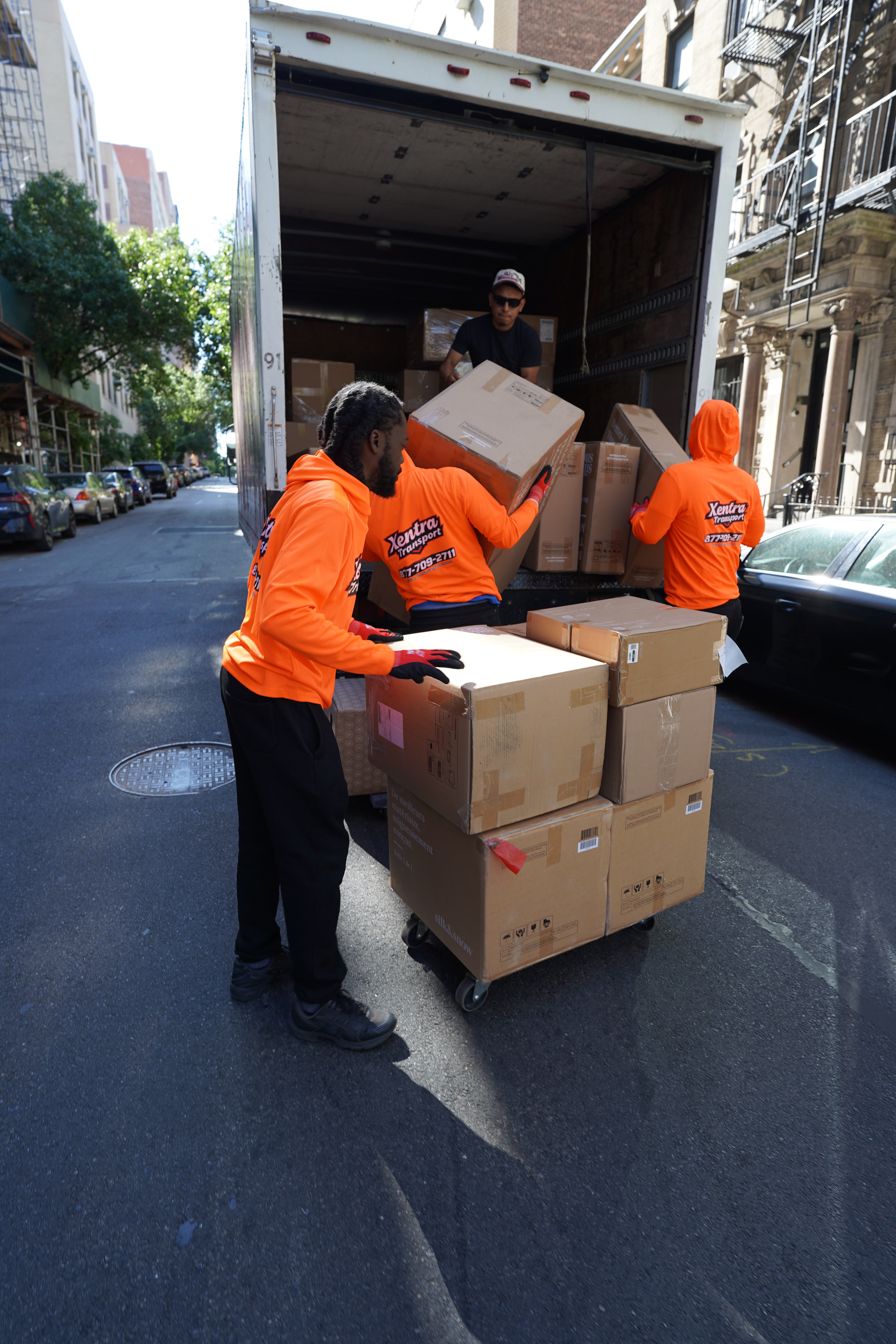
Cost. For a few pallets, LTL almost always wins on price — you are not paying for empty trailer space. Once you are filling most of a truck, FTL becomes competitive and often cheaper per unit, because LTL pricing climbs with weight and class.
Speed. FTL is faster. The truck goes from your dock to the destination with no stops. LTL freight gets picked up, taken to a terminal, sorted, consolidated with other loads, and may pass through several terminals before delivery — every transfer adds time.
Handling and risk. Every time LTL freight is unloaded, sorted, and reloaded at a terminal, it is a chance for damage. FTL freight is loaded once and unloaded once. For fragile, high-value, or sensitive goods, that matters as much as speed.
The rough rule of thumb. One to six pallets, or freight under roughly 12,000–15,000 pounds that is not time-critical or fragile: LTL. More than that, or anything where speed and minimal handling are worth the premium: FTL. There is a middle ground — volume LTL and partial truckload — for shipments that fall in between.
Learn More On Our Quality Assurance
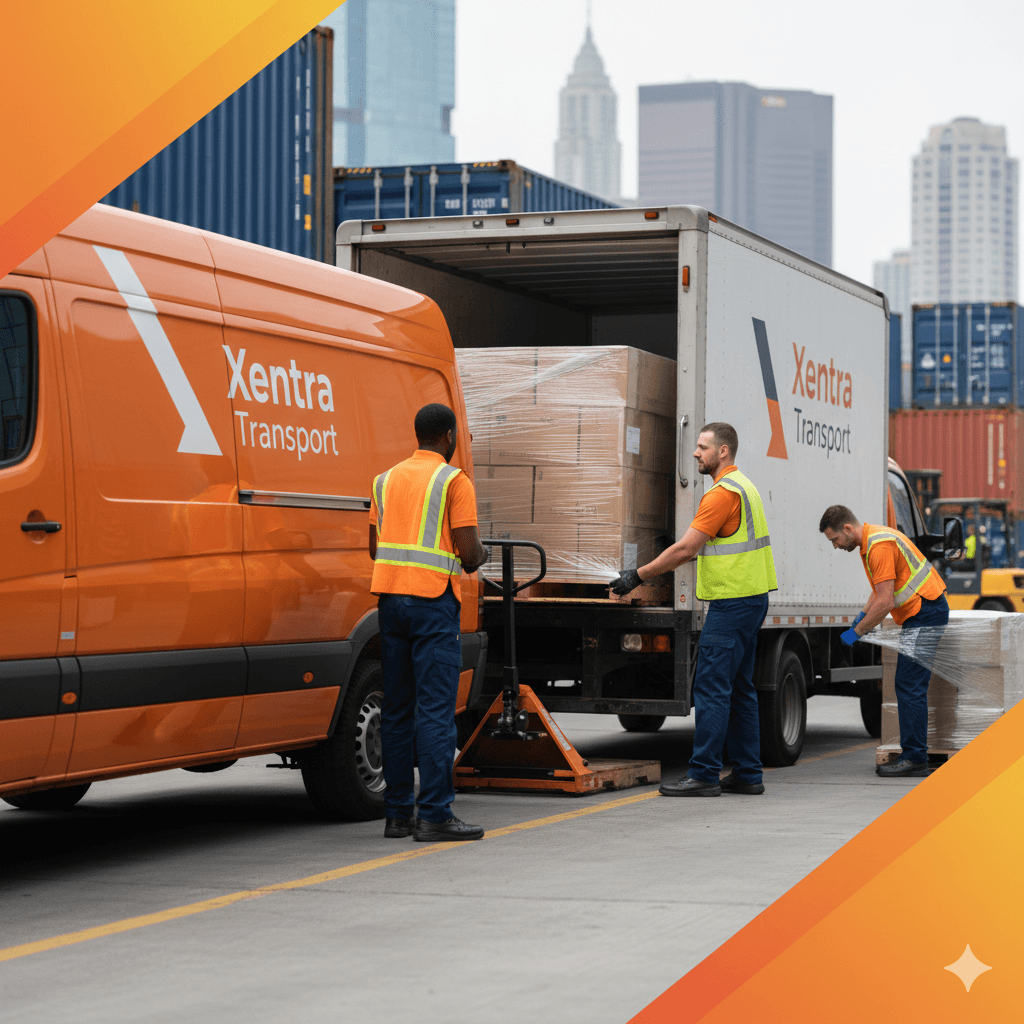
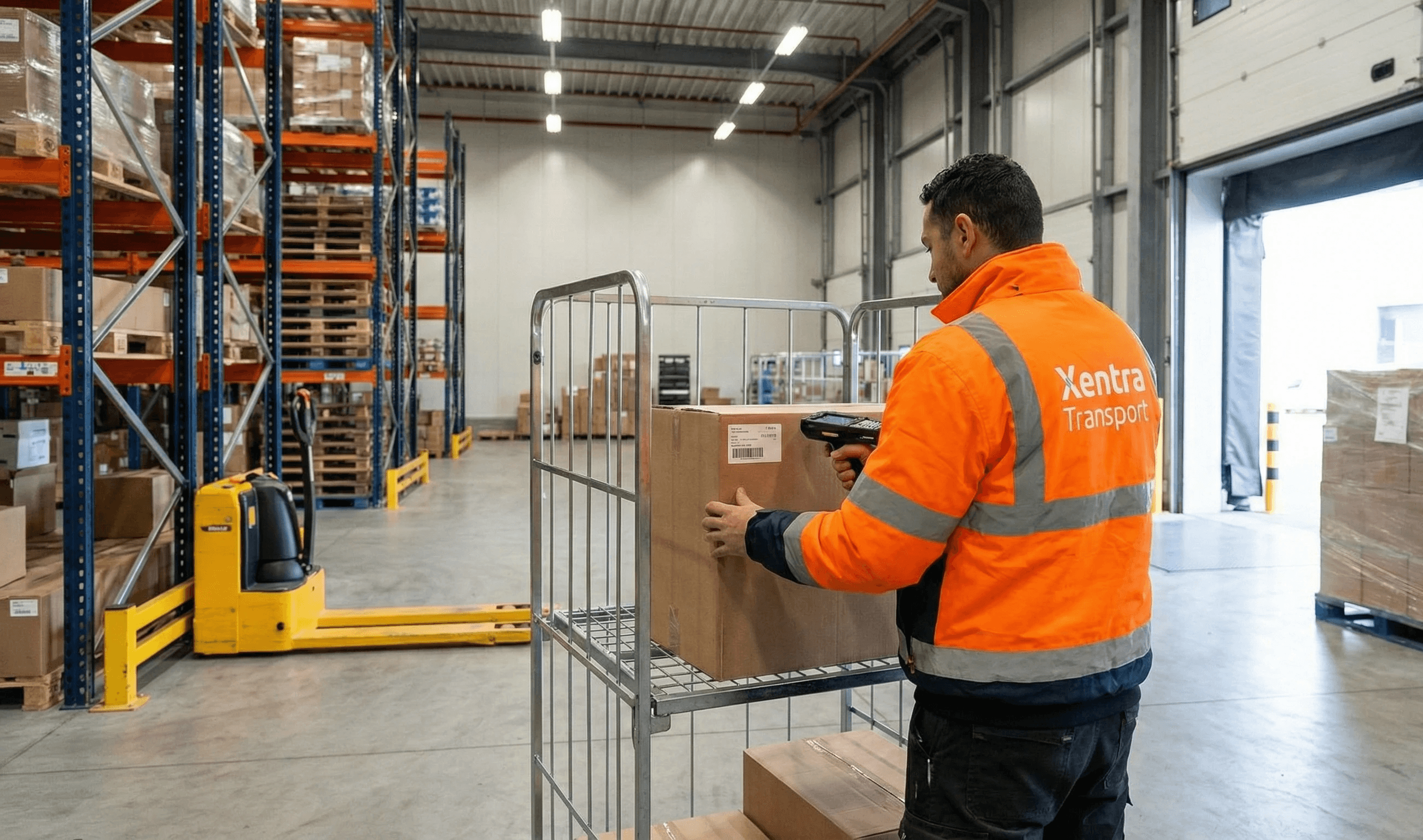

LTL pricing is not just weight — it runs on freight class, a number from 50 to 500 set largely by the density of your shipment. Dense, sturdy freight classes low and ships cheap; light, bulky, or fragile freight classes high and costs more. If you are shipping LTL, understanding your class is how you avoid reclassification surprises; see our breakdown of freight class and NMFC codes.
There is also a third option neither LTL nor FTL covers well: when a single shipment has to move now, on a dedicated vehicle, the same day. That is where same-day freight delivery beats both — one driver, one vehicle, no terminals, no consolidation. Xentra Transport runs LTL-style and dedicated freight across the Tri-State and the Northeast corridor. Not sure which fits your shipment? Call 877-709-2711 and describe the load; we will point you to the cheapest way that still hits your deadline.
See Why They Choose Us


